-
Shop
- Advanced Technologies
- AI Skills Mastery 2026 Collection
- Apple Accessories
- Arts, Crafts & Hobbies
- Best-Sellers
- Calvin Klein
- Car Accessories
- Christmas Collection
- Dating & Social Skills
- Denim
- 7FOR
- AGOLDE
- Antony Morato
- Armani Exchange
- Boss
- Brunello Cucinelli
- Calvin Klein Jeans
- Costume National
- Desigual
- Diesel
- Dolce & Gabbana
- Dsquared²
- Ermanno Scervino
- Fendi
- Gianni Lupo
- Guess Jeans
- Ichi
- Just Cavalli
- Lee
- Levi's
- Liu Jo
- Morgan De Toi
- Mother Denim
- Only
- Pepe Jeans
- Pinko
- Replay
- Tommy Hilfiger Jeans
- Valentino
- Vero Moda
- Digital Resources
- Car Buying & Ownership
- Cozy Feast Collection
- Emotional Intelligence
- Financial Education
- Home Styling & Organization
- Mindfulness
- Mindset
- Parenting & Child Development
- Pet Lifestyle & Wellness
- Positive Thinking
- Productivity
- Self Confidence
- Sleep Improvement
- Stress Management & Relaxation
- Travel Planning
- Yoga & Fitness
- Yoga & Mind-Body Practices
- Education & Learning
- Family & Parenting
- Fashion
- Accessories
- Alexander McQueen
- Bags
- Bags & Wallets
- Balenciaga
- Belts
- Blazers
- Blouses & Shirts
- Bottega Veneta
- Bottoms
- Brunello Cucinelli
- Burberry
- Chanel
- Chloé
- Dior
- Dolce & Gabbana
- Dresses
- Etro
- Gucci
- Hats & Hair Accessories
- Hoodies & Sweatshirts
- Jacquemus
- Jewelry
- Jil Sander
- Jimmy Choo
- Kiton
- Luggage
- Luggage Bags
- Men's Fashion
- Miu Miu
- Off-White
- Outerwear
- Prada
- Rick Owens
- Saint Laurent
- Skirts
- Socks & Tights
- Sunglasses
- Sweaters & Cardigans
- The Row
- Tom Ford
- Tops & Shirts
- Valentino Garavani
- Versace
- Vivienne Westwood
- Watches
- Fashion Accessories
- Furniture
- Gadgets
- Health & Beauty
- Health & Wellness
- Home & Garden
- Home Supplies
- Kids & Babies
- Lighting
- Patio, Lawn & Garden
- Personal Growth
- Pet Care
- Pet Supplies
- Pets
- Shoes
- Sport & Outdoors
- Super Deals
- Thanksgiving Digital Collection
- AI & Tech-Enhanced Thanksgiving
- Budgeting & Smart Shopping
- Eco-Friendly & Sustainable Thanksgiving
- Family & Kids
- Gift Ideas Guides
- Gratitude & Mindfulness
- History & Meaning
- Hosting & Planning
- Leftovers & Storage
- Pets & Thanksgiving
- Social Media Captions & Ideas
- Thanksgiving DIY Ideas
- Thanksgiving Recipes
- Thanksgiving Products
- Travel
- Wealth
- Wealth Building
- Budgeting & Saving
- Cryptocurrency Investing
- Debt Management
- Entrepreneurship & Business Growth
- Family Finance & Budgeting
- Financial Independence
- Financial Mindset & Psychology
- Financial Planning
- Frugal Living & Expense Hacks
- Goal Setting
- High-Income Skills
- Investing Basics
- Leadership
- Motivation
- Networking & Mentorship
- Passive Income Strategies
- Real Estate Investing
- Side Hustles
- Stock Market Investing
- YouTube Shorts Best-Sellers
3-3-3 Rule for Anxious Dogs: What to Expect & Do
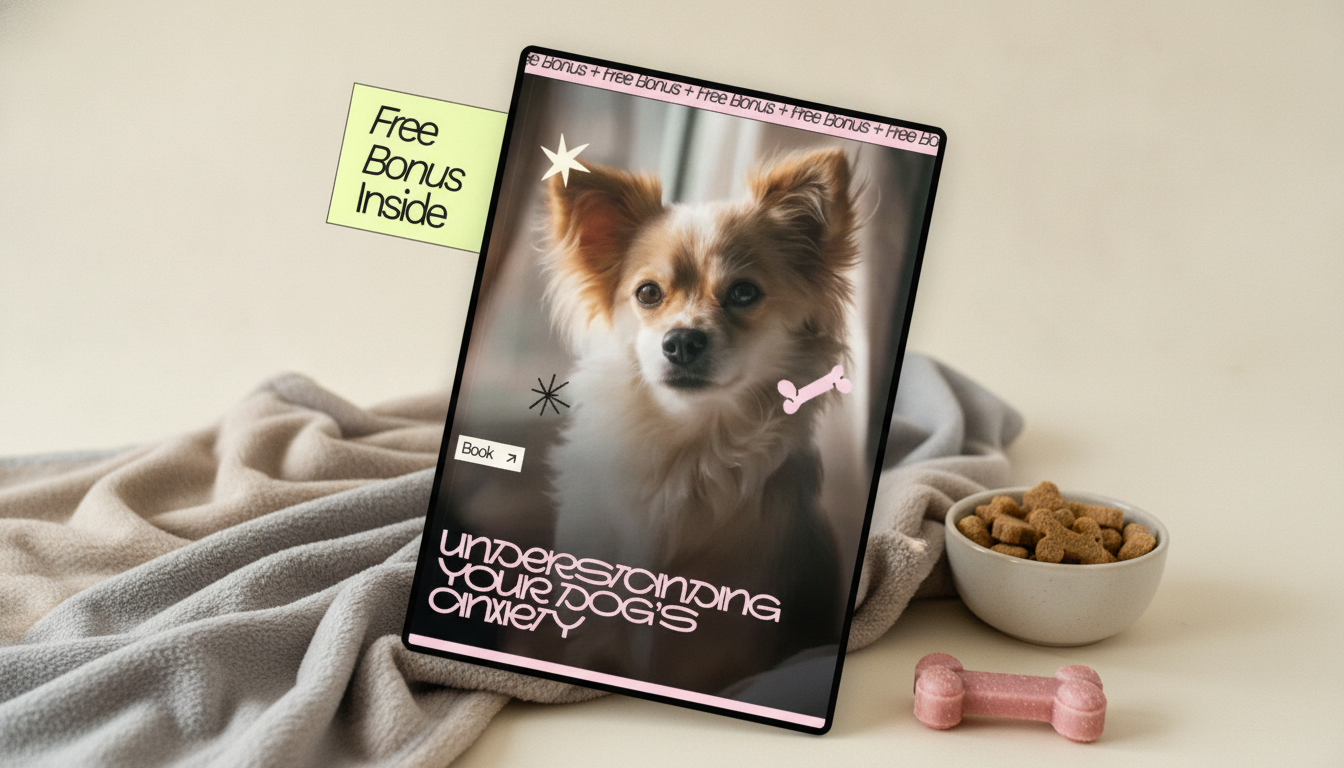
What is the 3-3-3 rule for dogs with anxiety?
The 3-3-3 rule is a simple timeline used to set expectations when an anxious dog is adjusting to a new home, routine, or major change. It’s most often described as:
- 3 days to decompress (your dog may feel overwhelmed, shut down, extra alert, or unsure).
- 3 weeks to start learning your household patterns (sleep, potty rhythm, walks, sounds, and people).
- 3 months to feel more settled and show a more consistent personality (confidence, play, bonding, and calmer responses).
This “rule” isn’t a guarantee or a deadline. It’s a reminder that anxious behavior often improves gradually—especially when triggers are managed and your dog is supported below their stress threshold.
How to use the 3-3-3 rule to help an anxious dog
During the first few days, focus on reducing pressure: keep introductions low-key, provide a quiet retreat area, and stick to predictable potty and feeding times. Over the next few weeks, build steady routines and reinforce calm behavior with rewards. By the time you’re approaching the three-month mark, many dogs can handle more novelty—but only if they’ve been progressing without getting repeatedly pushed into panic.
If your dog’s anxiety includes trembling, pacing, avoidance, barking, or sudden reactivity, it helps to identify what sets them off and how close they can get before they tip over their threshold. For a deeper breakdown of anxiety signs, triggers, and calm training strategies, see the full guide here: https://exclusen.com/guide-dog-anxiety-signs-calm-training-triggers-thresholds/.
When the 3-3-3 rule may not fit
Some dogs need longer than three months, especially if they have a history of trauma, limited socialization, chronic stress, or ongoing exposure to unavoidable triggers. If anxiety escalates, interferes with eating or sleeping, or includes self-injury or aggression, involve a veterinarian and consider a credentialed behavior professional.
FAQ
How can I tell if my dog is improving with anxiety training?
Look for faster recovery after triggers, softer body language, and more normal behaviors like eating, resting, and engaging in play. Progress often shows up as smaller reactions and shorter duration, not instant calm.
Recommended for you


Was this article helpful?
Yes
No







Leave a comment