-
Shop
- Advanced Technologies
- AI Skills Mastery 2026 Collection
- Apple Accessories
- Arts, Crafts & Hobbies
- Best-Sellers
- Calvin Klein
- Car Accessories
- Christmas Collection
- Dating & Social Skills
- Denim
- 7FOR
- AGOLDE
- Antony Morato
- Armani Exchange
- Boss
- Brunello Cucinelli
- Calvin Klein Jeans
- Costume National
- Desigual
- Diesel
- Dolce & Gabbana
- Dsquared²
- Ermanno Scervino
- Fendi
- Gianni Lupo
- Guess Jeans
- Ichi
- Just Cavalli
- Lee
- Levi's
- Liu Jo
- Morgan De Toi
- Mother Denim
- Only
- Pepe Jeans
- Pinko
- Replay
- Tommy Hilfiger Jeans
- Valentino
- Vero Moda
- Digital Resources
- Car Buying & Ownership
- Cozy Feast Collection
- Emotional Intelligence
- Financial Education
- Home Styling & Organization
- Mindfulness
- Mindset
- Parenting & Child Development
- Pet Lifestyle & Wellness
- Positive Thinking
- Productivity
- Self Confidence
- Sleep Improvement
- Stress Management & Relaxation
- Travel Planning
- Yoga & Fitness
- Yoga & Mind-Body Practices
- Education & Learning
- Family & Parenting
- Fashion
- Accessories
- Alexander McQueen
- Bags
- Bags & Wallets
- Balenciaga
- Belts
- Blazers
- Blouses & Shirts
- Bottega Veneta
- Bottoms
- Brunello Cucinelli
- Burberry
- Chanel
- Chloé
- Dior
- Dolce & Gabbana
- Dresses
- Etro
- Gucci
- Hats & Hair Accessories
- Hoodies & Sweatshirts
- Jacquemus
- Jewelry
- Jil Sander
- Jimmy Choo
- Kiton
- Luggage
- Luggage Bags
- Men's Fashion
- Miu Miu
- Off-White
- Outerwear
- Prada
- Rick Owens
- Saint Laurent
- Skirts
- Socks & Tights
- Sunglasses
- Sweaters & Cardigans
- The Row
- Tom Ford
- Tops & Shirts
- Valentino Garavani
- Versace
- Vivienne Westwood
- Watches
- Fashion Accessories
- Furniture
- Gadgets
- Health & Beauty
- Health & Wellness
- Home & Garden
- Home Supplies
- Kids & Babies
- Lighting
- Patio, Lawn & Garden
- Personal Growth
- Pet Care
- Pet Supplies
- Pets
- Shoes
- Sport & Outdoors
- Super Deals
- Thanksgiving Digital Collection
- AI & Tech-Enhanced Thanksgiving
- Budgeting & Smart Shopping
- Eco-Friendly & Sustainable Thanksgiving
- Family & Kids
- Gift Ideas Guides
- Gratitude & Mindfulness
- History & Meaning
- Hosting & Planning
- Leftovers & Storage
- Pets & Thanksgiving
- Social Media Captions & Ideas
- Thanksgiving DIY Ideas
- Thanksgiving Recipes
- Thanksgiving Products
- Travel
- Wealth
- Wealth Building
- Budgeting & Saving
- Cryptocurrency Investing
- Debt Management
- Entrepreneurship & Business Growth
- Family Finance & Budgeting
- Financial Independence
- Financial Mindset & Psychology
- Financial Planning
- Frugal Living & Expense Hacks
- Goal Setting
- High-Income Skills
- Investing Basics
- Leadership
- Motivation
- Networking & Mentorship
- Passive Income Strategies
- Real Estate Investing
- Side Hustles
- Stock Market Investing
- YouTube Shorts Best-Sellers
Stop Toddler Hitting & Biting With Calm Discipline
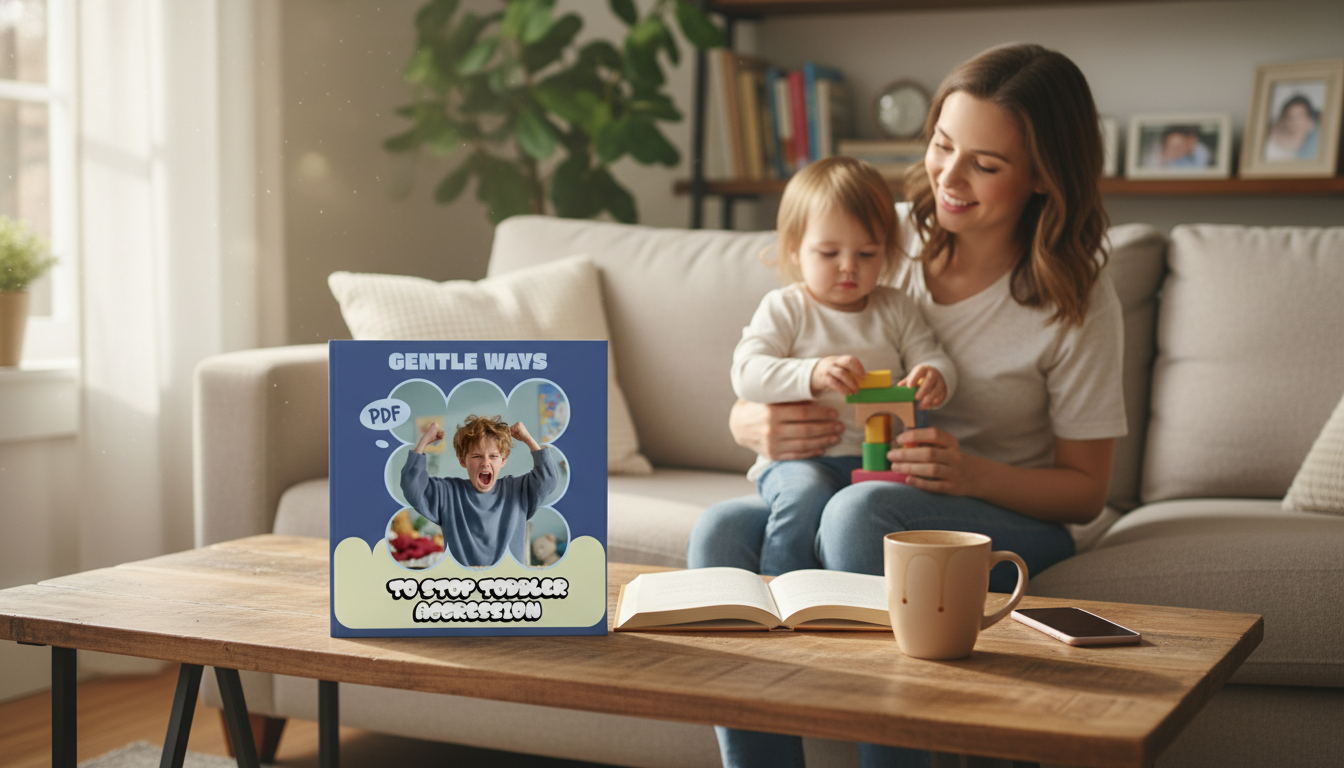
Gentle Ways to Stop Toddler Aggression with Calm, Positive Discipline
Toddler hitting, biting, kicking, and grabbing can feel shocking and exhausting—especially when it happens suddenly or in public. Aggression at this age is often a sign of big feelings and limited skills, not “bad behavior.” With a consistent plan that prioritizes safety, connection, and clear boundaries, most families can reduce aggressive episodes and teach better ways to cope over time.
What Toddler Aggression Really Means (and Why It Happens)
Aggression in toddlers is most often tied to immature impulse control, rapidly changing emotions, and not having quick language for needs like “stop,” “mine,” or “help.” Many toddlers can feel a huge emotion in their body before they can form a sentence—so the body does the “talking.”
Common triggers include fatigue, hunger, overstimulation, transitions, competition for attention, new siblings, illness, and frustration with toys or tasks. Developmentally, spikes often show up between 18–36 months as mobility and independence grow faster than communication skills.
The goal shift that helps most families: keep a firm limit on hurting while putting most of the energy into teaching missing skills—emotion naming, waiting, asking, gentle touch, and getting an adult’s help.
Aggressive moments and calm, skill-building responses
| What happens | What it may mean | Calm boundary | Skill to teach next |
|---|---|---|---|
| Hitting during play | Overexcited or frustrated; wants control | “I won’t let you hit. I’m moving my body back.” | “Hands are for gentle.” Practice gentle taps/high-fives |
| Biting when a toy is taken | Can’t find words fast enough; feels threatened | “No biting. Biting hurts.” Separate and block safely | “Say: ‘My turn.’” Offer a turn-taking script and timer |
| Kicking at diapering/bedtime | Overtired; resisting transition; wants autonomy | “I won’t let you kick. I’m holding your legs safely.” | Offer two choices: pajamas A/B; practice “All done” sign/words |
| Throwing objects at a sibling | Jealousy or seeking attention; testing limits | “I won’t let you throw at people.” Remove object/redirect | Teach “Throw balls in the basket.” Create a safe throwing spot |
| Hair pulling in crowds | Overstimulated; sensory seeking; impulsive grab | “Stop. I’m moving your hand away.” Create distance | Teach replacement: hold adult’s hand, squeeze toy, “gentle touch” practice |
The Immediate Safety Script: What to Do in the First 10 Seconds
When aggression happens, the first goal is safety—not teaching a lesson. Toddlers can’t absorb long explanations while dysregulated, so a simple, repeatable script works best.
- Step 1—Block and separate: Move in close, place a gentle barrier with your hand/arm, and create space between children. Keep faces out of biting range.
- Step 2—Name the boundary briefly: Use a low, steady voice. “I won’t let you hit.” “No biting.”
- Step 3—Attend to the hurt person first: Comfort the other child quickly. This teaches empathy and avoids rewarding aggression with “power attention.”
- Step 4—Return to the aggressor with connection: “You’re having a hard time. I’m here. I won’t let you hurt.”
- Step 5—Reset the environment: Remove tempting objects, lower noise, offer water/snack, and shift to a calming activity.
Calm, Positive Discipline That Actually Reduces Aggression
Effective positive discipline is not permissive. It’s firm about safety while staying regulated enough to teach. Consistency is what builds the rule: people are not for hurting.
For more background on positive discipline approaches, see guidance from the American Academy of Pediatrics and the CDC’s Essentials for Parenting.
Prevention: Build a Day That Makes Aggression Less Likely
Many families notice that better sleep reduces aggression quickly. If bedtime battles or short nights are part of the picture, consider a structured sleep-support resource like Unlock Your Body’s Natural Power to Rest with the Deep Sleep Reset | eBook to Increase Deep Sleep Naturally | Sleep Hygiene Guide & Checklist.
Practical Phrases to Use (and What to Avoid Saying)
If you want a repeatable set of scripts you can use when you’re tired, overwhelmed, or in public, Gentle Ways to Stop Toddler Aggression – Practical Parenting eBook Guide on How to Respond to Toddler Aggression with Calm, Positive Discipline Strategies is designed around calm boundary-setting, prevention routines, and age-appropriate skill teaching.
When to Get Extra Support
Consider bringing it up with a pediatrician if there are concerns about speech delay, sensory differences, sleep problems, trauma exposure, or major family stressors that may affect regulation. Early intervention may include parenting support, developmental screening, occupational therapy for sensory needs, or speech therapy to expand communication tools. For additional social-emotional development resources, Zero to Three is a trusted starting point.
A Structured, Gentle Plan to Follow at Home
FAQ
Is it normal for a toddler to hit or bite?
Yes—hitting and biting are common in toddlerhood because impulse control and language are still developing. It’s still important to set consistent limits and teach replacement skills so your child learns safer ways to communicate.
Should a toddler be forced to apologize after hitting?
Focus on repair and empathy after your child is calm rather than forcing an apology in the peak moment. Modeling simple words and guiding helpful actions (like bringing an ice pack) usually teaches more than a pressured “sorry.”
How long does it take to see improvement with gentle discipline?
Many families see small improvements in safety and quicker calming within days to a few weeks when responses are consistent. Building deeper skills—like using words instead of hands—often takes weeks to months, and sleep or speech challenges can affect the timeline.
Recommended for you


Was this article helpful?
Yes
No







Leave a comment