-
Shop
- Advanced Technologies
- AI Skills Mastery 2026 Collection
- Apple Accessories
- Arts, Crafts & Hobbies
- Best-Sellers
- Calvin Klein
- Car Accessories
- Christmas Collection
- Dating & Social Skills
- Denim
- 7FOR
- AGOLDE
- Antony Morato
- Armani Exchange
- Boss
- Brunello Cucinelli
- Calvin Klein Jeans
- Costume National
- Desigual
- Diesel
- Dolce & Gabbana
- Dsquared²
- Ermanno Scervino
- Fendi
- Gianni Lupo
- Guess Jeans
- Ichi
- Just Cavalli
- Lee
- Levi's
- Liu Jo
- Morgan De Toi
- Mother Denim
- Only
- Pepe Jeans
- Pinko
- Replay
- Tommy Hilfiger Jeans
- Valentino
- Vero Moda
- Digital Resources
- Car Buying & Ownership
- Cozy Feast Collection
- Emotional Intelligence
- Financial Education
- Home Styling & Organization
- Mindfulness
- Mindset
- Parenting & Child Development
- Pet Lifestyle & Wellness
- Positive Thinking
- Productivity
- Self Confidence
- Sleep Improvement
- Stress Management & Relaxation
- Travel Planning
- Yoga & Fitness
- Yoga & Mind-Body Practices
- Education & Learning
- Family & Parenting
- Fashion
- Accessories
- Alexander McQueen
- Bags
- Bags & Wallets
- Balenciaga
- Belts
- Blazers
- Blouses & Shirts
- Bottega Veneta
- Bottoms
- Brunello Cucinelli
- Burberry
- Chanel
- Chloé
- Dior
- Dolce & Gabbana
- Dresses
- Etro
- Gucci
- Hats & Hair Accessories
- Hoodies & Sweatshirts
- Jacquemus
- Jewelry
- Jil Sander
- Jimmy Choo
- Kiton
- Luggage
- Luggage Bags
- Men's Fashion
- Miu Miu
- Off-White
- Outerwear
- Prada
- Rick Owens
- Saint Laurent
- Skirts
- Socks & Tights
- Sunglasses
- Sweaters & Cardigans
- The Row
- Tom Ford
- Tops & Shirts
- Valentino Garavani
- Versace
- Vivienne Westwood
- Watches
- Fashion Accessories
- Furniture
- Gadgets
- Health & Beauty
- Health & Wellness
- Home & Garden
- Home Supplies
- Kids & Babies
- Lighting
- Patio, Lawn & Garden
- Personal Growth
- Pet Care
- Pet Supplies
- Pets
- Shoes
- Sport & Outdoors
- Super Deals
- Thanksgiving Digital Collection
- AI & Tech-Enhanced Thanksgiving
- Budgeting & Smart Shopping
- Eco-Friendly & Sustainable Thanksgiving
- Family & Kids
- Gift Ideas Guides
- Gratitude & Mindfulness
- History & Meaning
- Hosting & Planning
- Leftovers & Storage
- Pets & Thanksgiving
- Social Media Captions & Ideas
- Thanksgiving DIY Ideas
- Thanksgiving Recipes
- Thanksgiving Products
- Travel
- Wealth
- Wealth Building
- Budgeting & Saving
- Cryptocurrency Investing
- Debt Management
- Entrepreneurship & Business Growth
- Family Finance & Budgeting
- Financial Independence
- Financial Mindset & Psychology
- Financial Planning
- Frugal Living & Expense Hacks
- Goal Setting
- High-Income Skills
- Investing Basics
- Leadership
- Motivation
- Networking & Mentorship
- Passive Income Strategies
- Real Estate Investing
- Side Hustles
- Stock Market Investing
- YouTube Shorts Best-Sellers
No-Stress Cleaning When You’re Unmotivated: 15-Min Reset
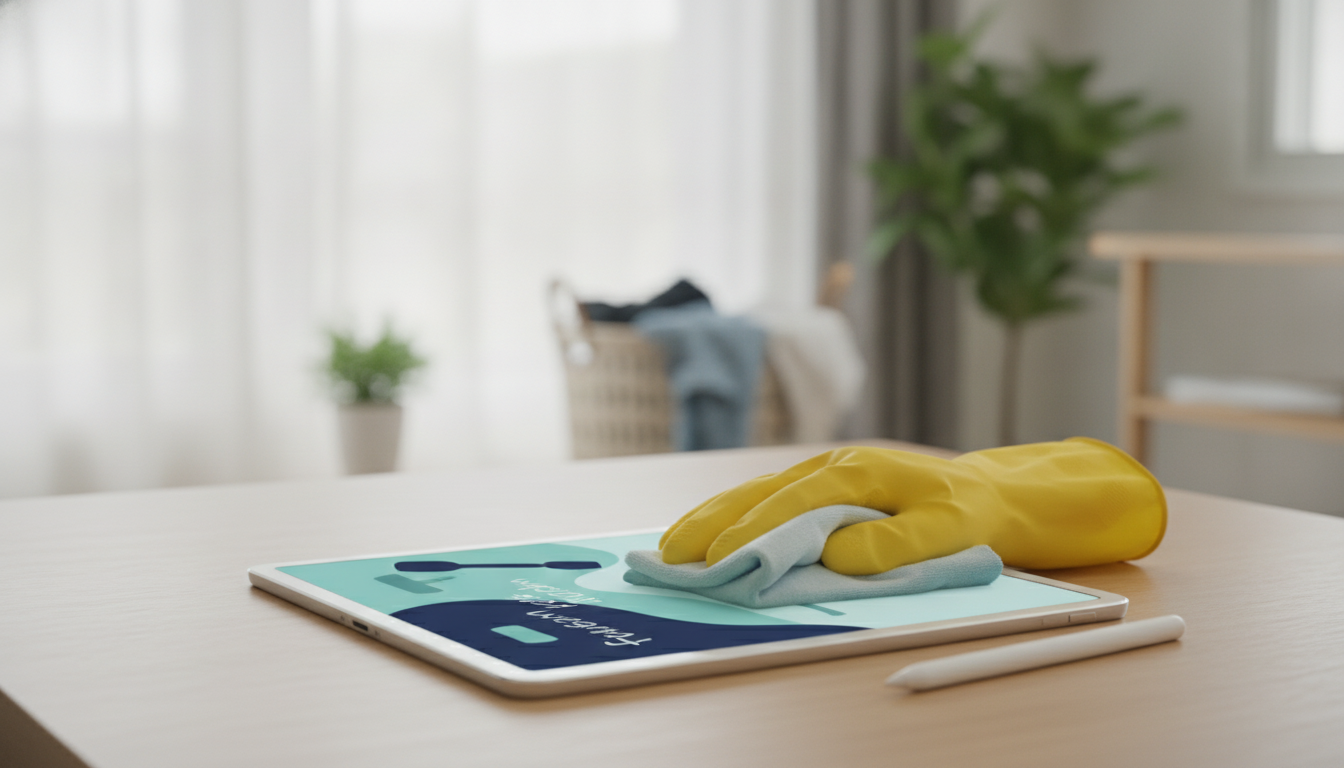
From Chaos to Calm: A No-Stress Way to Clean When Motivation Is Low
A messy house can feel overwhelming, especially when energy and motivation are already stretched thin. A calmer home doesn’t require a perfect routine or an all-day deep clean—just a few low-friction steps that make starting easier, reduce decision fatigue, and build momentum in minutes. The goal isn’t spotless; it’s relief you can feel quickly.
Why cleaning feels impossible (and why that’s normal)
When a space is messy, the hardest part is often not the work—it’s the deciding. Overwhelm tends to spike when there are too many choices at once: what to pick up first, where things belong, what “counts” as done, and whether it’s even worth starting.
It also helps to know that motivation usually follows action, not the other way around. Waiting to “feel like it” can keep the cycle stuck, especially if stress is already draining your bandwidth. Chronic stress can affect concentration, sleep, and energy levels, making everyday tasks feel heavier than they “should” (see the American Psychological Association’s overview of stress effects on the body).
Visual clutter increases cognitive load, too. The more your eyes land on, the more your brain has to filter—making it easier to shut down. A workable approach prioritizes function and fast relief over perfection, so you get a calmer room without needing a full reset of your life.
The No-Stress Starter: make the first 2 minutes absurdly easy
When motivation is low, the first two minutes matter more than the next two hours. Make starting so small it feels almost silly.
- Set a 2-minute timer and choose one micro-task: gather cups, throw away obvious trash, or put shoes by the door.
- Use a “no sorting” rule for the first pass. Only remove what clearly belongs elsewhere (trash, dishes, laundry).
- Keep supplies visible: a small trash bag, a laundry basket, and an all-purpose wipe in one grab-and-go spot.
- Stop when the timer ends. Quitting on time builds trust with yourself and makes the next start easier.
This is also a practical antidote to procrastination: smaller tasks reduce the “activation energy” required to begin (Harvard Health Publishing breaks down why procrastination happens and what can help here).
A simple reset system: trash, dishes, laundry, then surfaces
If you want a reliable order that reduces visual clutter fast, use this four-round reset. It minimizes decision-making because you’re sorting by category—not by where every single item “should” live.
- Round 1 — Trash: walk the space with a bag and remove only garbage and packaging.
- Round 2 — Dishes: move dishes to the sink or dishwasher; no washing required yet.
- Round 3 — Laundry: collect all clothes into one basket; avoid folding or sorting.
- Round 4 — Clear one surface: choose the easiest win (coffee table, nightstand, or one kitchen counter corner).
15-Minute Reset (Pick One Room)
| Minute | Action | Done When |
|---|---|---|
| 0–3 | Collect trash | Bins are lighter; floor has fewer distractions |
| 3–6 | Gather dishes | Sink/counter is consolidated, not necessarily clean |
| 6–9 | Collect laundry | All clothing is in one basket |
| 9–12 | Clear one surface | A single surface is usable again |
| 12–15 | Quick sweep/wipe | Visible crumbs/dust reduced; stop on time |
If you’re dealing with spills, food mess, or high-touch areas, it’s also worth keeping basic hygiene guidance in mind. The CDC’s cleaning and disinfecting recommendations can help you prioritize what matters most for health and safety (CDC: cleaning and disinfecting).
Motivation hacks that don’t rely on willpower
Willpower is unreliable when you’re tired, stressed, or burned out—so build “automatic support” into the process.
- Use pairing: only clean while listening to a favorite playlist, audiobook, or podcast. The entertainment becomes the cue.
- Lower the bar: aim for “improved,” not “finished.” A room can be noticeably calmer at 60% complete.
- Add friction to mess, remove friction to cleaning: keep a donate bag in a closet; keep wipes where spills happen.
- Try body doubling: clean while on a call with a friend or alongside a family member doing their own task.
- Reward the stop: after a short reset, intentionally enjoy the clearer space (tea, shower, 10 minutes of rest).
Decision shortcuts for clutter hotspots
Hotspots form because they’re “decision sinks”—places where items land because you’re not ready to decide. Make those decisions easier.
When energy is very low: the minimum viable clean
A guided plan you can follow without overthinking
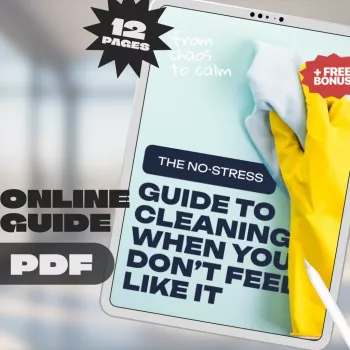
If you want a simple, ready-to-use structure, take a look at From Chaos to Calm: The No-Stress Guide to Cleaning When You Don’t Feel Like It (Digital Download)—designed for short sessions, quick wins, and less second-guessing.
And if your biggest barrier is getting started (especially if you tend to keep the peace, avoid conflict, or freeze when tasks feel big), Waking the Peaceful Giant: How to Motivate Enneagram 9s (Digital Guide) can be a useful companion for building gentle momentum without self-criticism.
FAQ
How do you start cleaning when you feel overwhelmed?
Set a 2-minute timer and do one micro-task like grabbing trash or collecting dishes, then stop exactly when the timer ends. Keeping it tiny builds momentum and trains your brain that starting won’t be exhausting.
What should you clean first in a very messy house?
Use the low-decision order: trash, then dishes, then laundry, then clear one surface, then do a quick sweep or wipe. This reduces visual clutter fast, so the room feels better before it’s fully “done.”
How can you stay motivated to keep a house clean?
Pick one small “anchor” area to maintain and do a 10–15 minute reset most days. Pair cleaning with something enjoyable (music or a podcast) and keep supplies where the mess happens to make the next reset easier.
Recommended for you


Was this article helpful?
Yes
No







Leave a comment