-
Shop
- Advanced Technologies
- AI Skills Mastery 2026 Collection
- Apple Accessories
- Arts, Crafts & Hobbies
- Best-Sellers
- Calvin Klein
- Car Accessories
- Christmas Collection
- Dating & Social Skills
- Denim
- 7FOR
- AGOLDE
- Antony Morato
- Armani Exchange
- Boss
- Brunello Cucinelli
- Calvin Klein Jeans
- Costume National
- Desigual
- Diesel
- Dolce & Gabbana
- Dsquared²
- Ermanno Scervino
- Fendi
- Gianni Lupo
- Guess Jeans
- Ichi
- Just Cavalli
- Lee
- Levi's
- Liu Jo
- Morgan De Toi
- Mother Denim
- Only
- Pepe Jeans
- Pinko
- Replay
- Tommy Hilfiger Jeans
- Valentino
- Vero Moda
- Digital Resources
- Car Buying & Ownership
- Cozy Feast Collection
- Emotional Intelligence
- Financial Education
- Home Styling & Organization
- Mindfulness
- Mindset
- Parenting & Child Development
- Pet Lifestyle & Wellness
- Positive Thinking
- Productivity
- Self Confidence
- Sleep Improvement
- Stress Management & Relaxation
- Travel Planning
- Yoga & Fitness
- Yoga & Mind-Body Practices
- Education & Learning
- Family & Parenting
- Fashion
- Accessories
- Alexander McQueen
- Bags
- Bags & Wallets
- Balenciaga
- Belts
- Blazers
- Blouses & Shirts
- Bottega Veneta
- Bottoms
- Brunello Cucinelli
- Burberry
- Chanel
- Chloé
- Dior
- Dolce & Gabbana
- Dresses
- Etro
- Gucci
- Hats & Hair Accessories
- Hoodies & Sweatshirts
- Jacquemus
- Jewelry
- Jil Sander
- Jimmy Choo
- Kiton
- Luggage
- Luggage Bags
- Men's Fashion
- Miu Miu
- Off-White
- Outerwear
- Prada
- Rick Owens
- Saint Laurent
- Skirts
- Socks & Tights
- Sunglasses
- Sweaters & Cardigans
- The Row
- Tom Ford
- Tops & Shirts
- Valentino Garavani
- Versace
- Vivienne Westwood
- Watches
- Fashion Accessories
- Furniture
- Gadgets
- Health & Beauty
- Health & Wellness
- Home & Garden
- Home Supplies
- Kids & Babies
- Lighting
- Patio, Lawn & Garden
- Personal Growth
- Pet Care
- Pet Supplies
- Pets
- Shoes
- Sport & Outdoors
- Super Deals
- Thanksgiving Digital Collection
- AI & Tech-Enhanced Thanksgiving
- Budgeting & Smart Shopping
- Eco-Friendly & Sustainable Thanksgiving
- Family & Kids
- Gift Ideas Guides
- Gratitude & Mindfulness
- History & Meaning
- Hosting & Planning
- Leftovers & Storage
- Pets & Thanksgiving
- Social Media Captions & Ideas
- Thanksgiving DIY Ideas
- Thanksgiving Recipes
- Thanksgiving Products
- Travel
- Wealth
- Wealth Building
- Budgeting & Saving
- Cryptocurrency Investing
- Debt Management
- Entrepreneurship & Business Growth
- Family Finance & Budgeting
- Financial Independence
- Financial Mindset & Psychology
- Financial Planning
- Frugal Living & Expense Hacks
- Goal Setting
- High-Income Skills
- Investing Basics
- Leadership
- Motivation
- Networking & Mentorship
- Passive Income Strategies
- Real Estate Investing
- Side Hustles
- Stock Market Investing
- YouTube Shorts Best-Sellers
Deep Sleep Reset Plan: Timing, Light, Wind-Down, Room
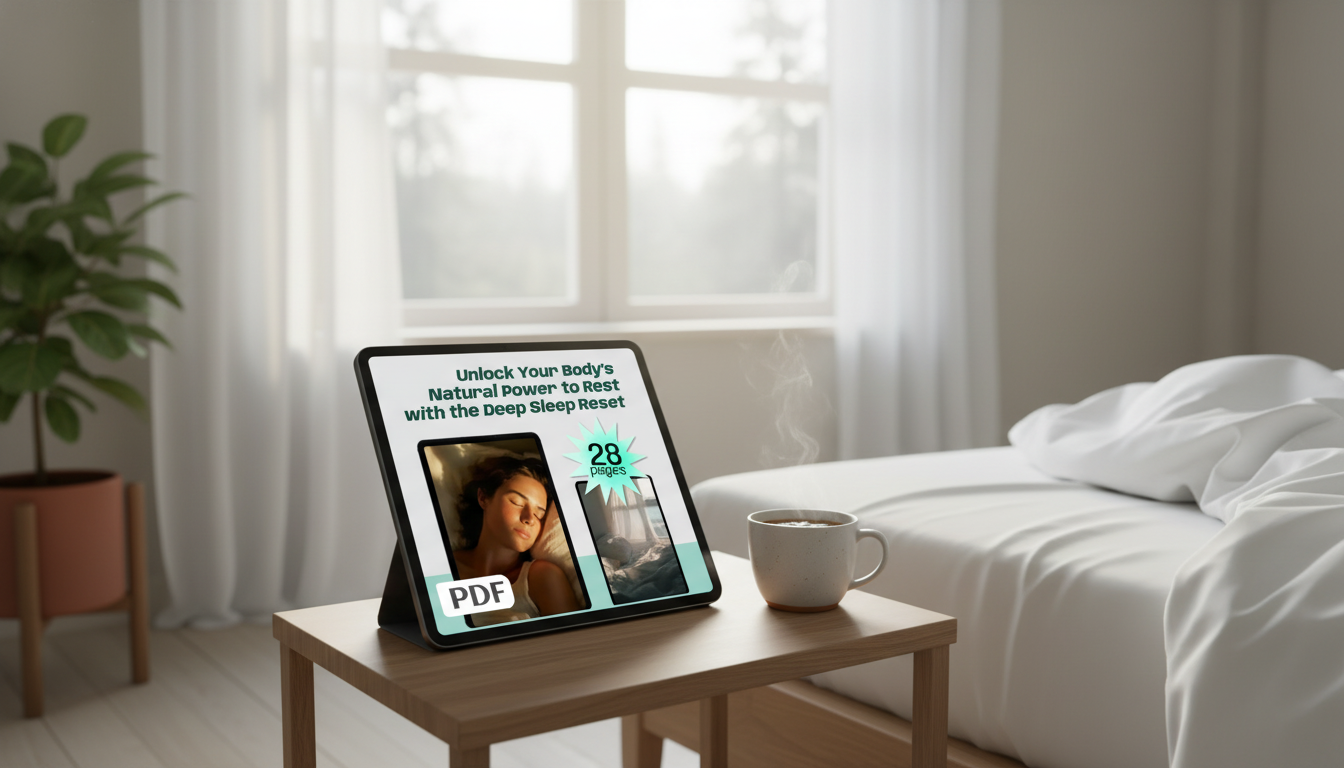
Deep Sleep Reset: A Practical Guide to Restoring Natural, Restful Sleep
Deep sleep supports physical recovery, memory, mood, and day-to-day resilience. But modern schedules, screens, stress, and inconsistent routines can quietly shrink it—often without an obvious “cause.” A reset approach works best when it focuses on small, high-leverage changes you can repeat: consistent timing, smart light exposure, a short wind-down routine, and a bedroom setup that reduces wake-ups so deeper stages of sleep have room to happen.
What Deep Sleep Does (and Why It Can Feel “Missing”)
Deep sleep (often called slow-wave sleep) is strongly tied to physical restoration and feeling genuinely refreshed in the morning. When sleep is shortened or fragmented, the opportunity for deep sleep can drop—especially if bedtime and wake time swing around from day to day.
Common contributors include late caffeine, alcohol close to bedtime, stress-driven arousal, bright light at night, and a bedroom that’s too warm or noisy. A “reset” is less about chasing a perfect night and more about giving your brain consistent signals: stable timing, darkness at night, and calming pre-sleep cues that make sleep more predictable.
For foundational guidance on healthy sleep, the CDC’s sleep resources and the American Academy of Sleep Medicine’s healthy sleep habits are helpful references.
A Simple Reset Framework: Timing, Light, Wind-Down, Environment
The goal is to improve sleep pressure and circadian rhythm alignment so deeper sleep becomes easier to access—and easier to keep.
Timing
Start by anchoring a consistent wake time (even on weekends, within reason). When wake time stabilizes, bedtime tends to follow naturally as sleep drive rebuilds over a week or two.
Light
Get bright light soon after waking (ideally outdoors). In the evening, reduce bright and blue-leaning light in the 1–2 hours before bed by dimming screens and using warmer lighting.
Wind-Down
Use a short, repeatable routine (10–30 minutes) so your brain learns the pattern: “this sequence means sleep is next.” Consistency beats intensity—simple, repeatable steps outperform occasional “perfect” nights.
Environment
Deep sleep is fragile when your sleep is frequently interrupted. A cooler, darker, quieter space helps reduce micro-awakenings so sleep can consolidate into longer, more restorative blocks.
Reset Levers That Most Often Improve Sleep Quality
| Lever | What to do | When to do it | Why it helps |
|---|---|---|---|
| Consistent wake time | Wake within the same 30–60 minutes daily | Every morning | Stabilizes circadian rhythm and improves sleep drive at night |
| Morning light | Get outdoor light or bright indoor light exposure | Within 1 hour of waking | Strengthens day/night signaling and supports earlier sleepiness |
| Caffeine cutoff | Set a personal cutoff time (often early afternoon) | Daily | Reduces nighttime alertness and sleep fragmentation |
| Screen dimming | Lower brightness, use warm lighting, avoid intense content | 1–2 hours before bed | Supports melatonin timing and reduces cognitive arousal |
| Cool, dark bedroom | Aim for a cooler room, block light, reduce noise | At bedtime | Improves comfort and reduces micro-awakenings |
Sleep Hygiene That Actually Matters (and What to Skip)
Not every “sleep tip” moves the needle. Prioritize the big rocks: consistent wake time, light management, caffeine timing, bedroom temperature, and a calming wind-down.
What to skip: turning sleep into a performance. Clock-watching, panic-checking a sleep score, or rigid rules can increase anxiety and make it harder to drift off. If you want to track sleep, use broad trends (weekly averages) and pair them with how you feel in the morning, not a single-night verdict.
If naps are necessary, keep them short and earlier in the day so nighttime sleep pressure remains strong. Also consider alcohol timing: it can feel relaxing at first but often reduces sleep quality and increases awakenings later in the night. Moving drinks earlier, reducing frequency, or skipping on weeknights can be a high-impact experiment.
Finally, reserve the bed for sleep and intimacy. If the bed becomes a place for scrolling, worrying, and emailing, the brain stops treating it like a cue for drowsiness.
A Nightly Deep Sleep Reset Checklist (Quick Version)
Troubleshooting: When Falling Asleep Is Easy but Staying Asleep Isn’t
The NHLBI’s overview of sleep deprivation is a useful starting point for understanding how sleep loss affects the body and when it may be time to seek support.
Using a Guided Reset Plan for Faster, More Consistent Results
Many people notice improvements as fewer awakenings, a faster return to sleep, and better morning energy before any “perfect” sleep metric appears. For a done-for-you plan with actionable steps and a printable checklist, see the Deep Sleep Reset eBook and Sleep Hygiene Checklist.
If stress and nighttime rumination are the main blockers, some people also benefit from a consistent calming routine that feels supportive and engaging rather than forcing quiet. For households that want an interactive, soothing companion option (especially for winding down or relaxation breaks), consider the Smart AI Interactive Emotional Robot Companion for Kids and Adults as an at-home tool to encourage calmer evening habits.
Safety Notes and When to Get Extra Help
FAQ
How long does a deep sleep reset take to notice results?
Small improvements can show up within several nights, especially with a consistent wake time and better evening light control. More stable, noticeable results often take about 2–4 weeks of steady routines.
What is the most important sleep hygiene change to start with?
Anchor a consistent wake time and pair it with bright light exposure soon after waking. These two steps help stabilize your circadian rhythm so sleepiness arrives more naturally at night.
Can tracking sleep make insomnia worse?
Yes—if tracking becomes obsessive or increases anxiety about “scores.” Using weekly trends and focusing on how you feel in the morning usually works better than judging sleep based on a single night’s data.
Recommended for you



Was this article helpful?
Yes
No








Leave a comment