-
Shop
- Advanced Technologies
- AI Skills Mastery 2026 Collection
- Apple Accessories
- Arts, Crafts & Hobbies
- Best-Sellers
- Calvin Klein
- Car Accessories
- Christmas Collection
- Dating & Social Skills
- Denim
- 7FOR
- AGOLDE
- Antony Morato
- Armani Exchange
- Boss
- Brunello Cucinelli
- Calvin Klein Jeans
- Costume National
- Desigual
- Diesel
- Dolce & Gabbana
- Dsquared²
- Ermanno Scervino
- Fendi
- Gianni Lupo
- Guess Jeans
- Ichi
- Just Cavalli
- Lee
- Levi's
- Liu Jo
- Morgan De Toi
- Mother Denim
- Only
- Pepe Jeans
- Pinko
- Replay
- Tommy Hilfiger Jeans
- Valentino
- Vero Moda
- Digital Resources
- Car Buying & Ownership
- Cozy Feast Collection
- Emotional Intelligence
- Financial Education
- Home Styling & Organization
- Mindfulness
- Mindset
- Parenting & Child Development
- Pet Lifestyle & Wellness
- Positive Thinking
- Productivity
- Self Confidence
- Sleep Improvement
- Stress Management & Relaxation
- Travel Planning
- Yoga & Fitness
- Yoga & Mind-Body Practices
- Education & Learning
- Family & Parenting
- Fashion
- Accessories
- Alexander McQueen
- Bags
- Bags & Wallets
- Balenciaga
- Belts
- Blazers
- Blouses & Shirts
- Bottega Veneta
- Bottoms
- Brunello Cucinelli
- Burberry
- Chanel
- Chloé
- Dior
- Dolce & Gabbana
- Dresses
- Etro
- Gucci
- Hats & Hair Accessories
- Hoodies & Sweatshirts
- Jacquemus
- Jewelry
- Jil Sander
- Jimmy Choo
- Kiton
- Luggage
- Luggage Bags
- Men's Fashion
- Miu Miu
- Off-White
- Outerwear
- Prada
- Rick Owens
- Saint Laurent
- Skirts
- Socks & Tights
- Sunglasses
- Sweaters & Cardigans
- The Row
- Tom Ford
- Tops & Shirts
- Valentino Garavani
- Versace
- Vivienne Westwood
- Watches
- Fashion Accessories
- Furniture
- Gadgets
- Health & Beauty
- Health & Wellness
- Home & Garden
- Home Supplies
- Kids & Babies
- Lighting
- Patio, Lawn & Garden
- Personal Growth
- Pet Care
- Pet Supplies
- Pets
- Shoes
- Sport & Outdoors
- Super Deals
- Thanksgiving Digital Collection
- AI & Tech-Enhanced Thanksgiving
- Budgeting & Smart Shopping
- Eco-Friendly & Sustainable Thanksgiving
- Family & Kids
- Gift Ideas Guides
- Gratitude & Mindfulness
- History & Meaning
- Hosting & Planning
- Leftovers & Storage
- Pets & Thanksgiving
- Social Media Captions & Ideas
- Thanksgiving DIY Ideas
- Thanksgiving Recipes
- Thanksgiving Products
- Travel
- Wealth
- Wealth Building
- Budgeting & Saving
- Cryptocurrency Investing
- Debt Management
- Entrepreneurship & Business Growth
- Family Finance & Budgeting
- Financial Independence
- Financial Mindset & Psychology
- Financial Planning
- Frugal Living & Expense Hacks
- Goal Setting
- High-Income Skills
- Investing Basics
- Leadership
- Motivation
- Networking & Mentorship
- Passive Income Strategies
- Real Estate Investing
- Side Hustles
- Stock Market Investing
- YouTube Shorts Best-Sellers
Elevate Any Room with an Abstract Resin Floor Sculpture
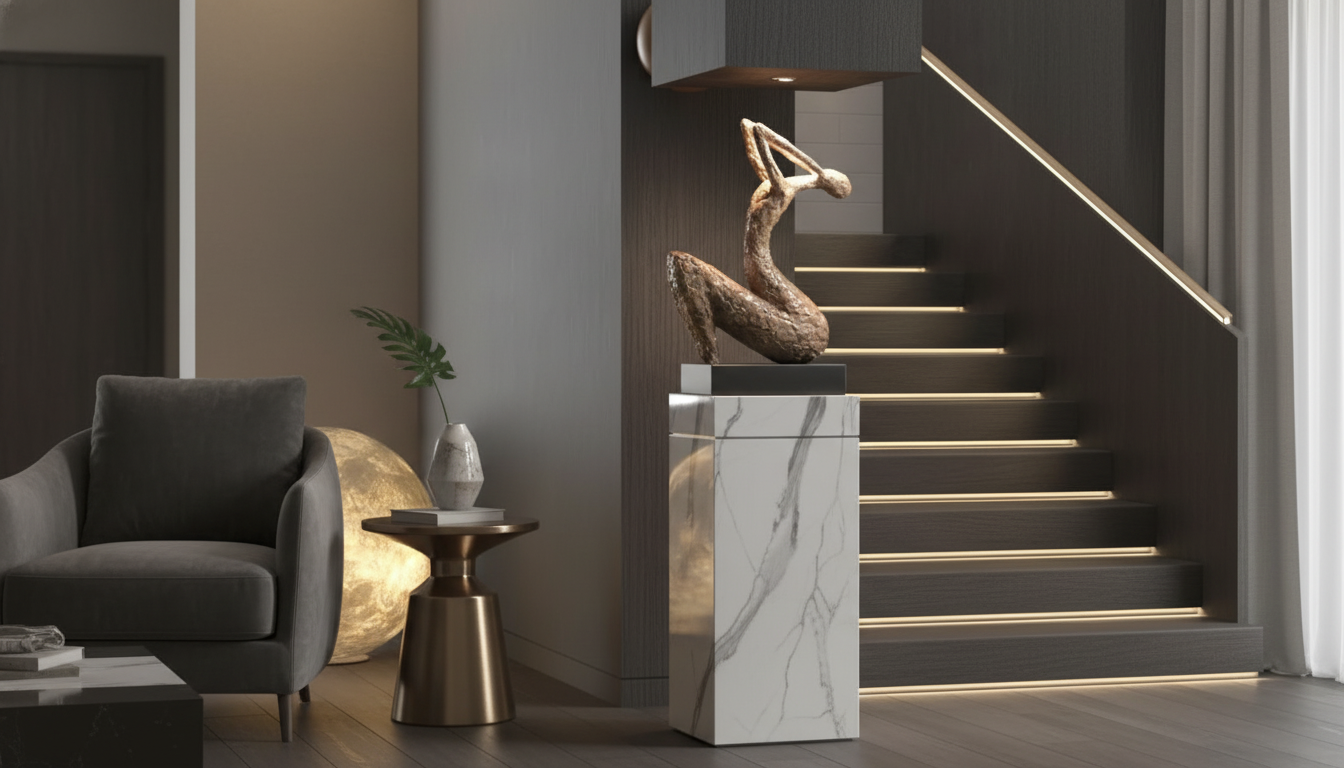
Elegant Abstract Resin Floor Sculpture: A Gallery-Like Statement for Modern Interiors
An abstract floor sculpture can shift a room from simply furnished to intentionally curated. With smooth sculptural lines and a refined finish, resin makes it possible to add visual weight without adding clutter—ideal for entryways, living spaces, offices, and the quiet “in-between” corners that deserve a design moment.
What Makes an Abstract Floor Sculpture Feel “Elevated”
The difference between “decor” and a true statement piece is usually clarity. A floor sculpture feels elevated when the silhouette reads cleanly from across the room, even if everything else is minimal. Proportions matter, too: the height and volume should look deliberate next to sofas, consoles, and open wall space rather than appearing like an afterthought.
Finish is the other half of the equation. A softly reflective surface catches ambient light and adds depth without looking overly glossy or flat. Finally, the best abstract pieces reward movement—interesting from multiple angles, not just a single head-on view. That 360° presence is what creates the gallery-like effect in an everyday home.
Design Notes: Form, Finish, and Visual Impact
Abstract geometry and flowing contours bring a modern, curated presence that plays well with both quiet and high-contrast interiors. Resin is especially effective here because it can hold crisp edges and smooth transitions at a larger scale without the visual heaviness of some stone or metal forms.
Styling-wise, this kind of sculpture is a natural fit for neutral palettes, warm woods, stone textures, and black-and-white rooms that need a softer curve. It also introduces a “pause point”—a moment where the eye stops and takes in the shape—making it perfect for spaces that feel too linear or overly functional.
Where It Looks Best: Placement and Styling Ideas
Placement is what turns an object into an anchor. In an entryway, a floor sculpture near a console or against a blank wall sets a refined first impression. In the living room, try positioning it at the end of a sofa, beside a lounge chair, or near a media unit to balance the layout and add sculptural weight without consuming tabletop space.
Offices and studios benefit from a piece like this because it softens hard lines from desks and shelving while staying professional. Stair landings are another sweet spot: transitional areas often feel empty, and a sculptural form makes them feel intentional.
Keep the supporting cast restrained. Pairing works best with one nearby element: a single oversized vase, a low stack of art books on a bench, or a slim floor lamp. Minimal companions let the silhouette remain the lead.
Placement guide for a refined, uncluttered look
| Room/Area | Best placement | What it adds | Quick care tip |
|---|---|---|---|
| Entryway | Near a console table or open wall | Immediate focal point and “gallery” feel | Dust weekly to keep the finish crisp |
| Living room | End of sofa or beside a lounge chair | Visual balance and sculptural weight | Avoid direct sunlight for long periods |
| Home office | Corner opposite the desk | Softens angles; adds calm presence | Keep away from heat vents/radiators |
| Bedroom | Near a dresser or reading corner | Quiet luxury without extra clutter | Use a soft microfiber cloth only |
| Stair landing | Against a blank wall with open sightlines | Turns a pass-through into a design moment | Ensure stable footing and clear traffic path |
Material Benefits: Why Resin Works So Well for Modern Sculpture
Resin is a strong match for contemporary decor because it delivers consistent detail—smooth curves, clean lines, and a cohesive surface that looks intentional in modern spaces. Compared with many stone or metal alternatives, it’s often easier to handle and reposition, which is useful when refreshing a room seasonally or reworking furniture layout.
Another benefit is finish versatility. Resin can mimic polished surfaces while still reading as decorative art rather than a purely utilitarian object. For day-to-day living, it’s typically easier to maintain than porous materials that can trap dust or show marks more readily.
For general object-care best practices and safe handling, the Smithsonian’s conservation guidance is a helpful reference: Smithsonian Museum Conservation Institute — Caring for Objects. For broader context on environmental factors that can affect items displayed indoors, see: The Getty Conservation Institute — Managing Collection Environments.
Care and Longevity: Keeping the Finish Looking Pristine
If indoor air quality is a concern when choosing cleaning products, this overview provides a useful baseline: U.S. Environmental Protection Agency — Volatile Organic Compounds (VOCs).
Choosing the Right Spot: Scale, Negative Space, and Sightlines
A Considered Gift for Design Lovers
Product Spotlight: Elegant Abstract Resin Floor Sculpture
If you’re looking for a floor-level statement piece with clean lines and modern presence, the Elegant Abstract Resin Floor Sculpture is designed to function like a gallery accent—visually strong, sculptural, and best paired with restrained supporting decor (often one nearby object is enough).
- Mini HD 720P WiFi Camera for a discreet home setup that doesn’t demand extra surfaces or bulky equipment.
- Smart AI Interactive Emotional Robot Companion for Kids and Adults as a conversation-starting piece in a studio, media room, or family space where design and tech overlap.
FAQ
How do you clean a resin sculpture without damaging the finish?
Dust with a clean microfiber cloth, then use a lightly damp cloth for spots and dry immediately. Avoid abrasive pads and harsh solvents or strong alcohol cleaners that can dull the surface.
Where should a floor sculpture be placed in a living room?
Try the end of a sofa, beside a lounge chair, near a media console, or in a corner with clear sightlines. Leave enough negative space around it so the silhouette reads cleanly.
Will sunlight or heat affect resin decor over time?
Prolonged direct sunlight and strong heat can contribute to discoloration or subtle surface changes over time. Place resin decor away from intense sun exposure and away from vents, radiators, or other heat sources when possible.
Recommended for you


Was this article helpful?
Yes
No






Leave a comment