-
Shop
- Advanced Technologies
- AI Skills Mastery 2026 Collection
- Apple Accessories
- Arts, Crafts & Hobbies
- Best-Sellers
- Calvin Klein
- Car Accessories
- Christmas Collection
- Dating & Social Skills
- Denim
- 7FOR
- AGOLDE
- Antony Morato
- Armani Exchange
- Boss
- Brunello Cucinelli
- Calvin Klein Jeans
- Costume National
- Desigual
- Diesel
- Dolce & Gabbana
- Dsquared²
- Ermanno Scervino
- Fendi
- Gianni Lupo
- Guess Jeans
- Ichi
- Just Cavalli
- Lee
- Levi's
- Liu Jo
- Morgan De Toi
- Mother Denim
- Only
- Pepe Jeans
- Pinko
- Replay
- Tommy Hilfiger Jeans
- Valentino
- Vero Moda
- Digital Resources
- Car Buying & Ownership
- Cozy Feast Collection
- Emotional Intelligence
- Financial Education
- Home Styling & Organization
- Mindfulness
- Mindset
- Parenting & Child Development
- Pet Lifestyle & Wellness
- Positive Thinking
- Productivity
- Self Confidence
- Sleep Improvement
- Stress Management & Relaxation
- Travel Planning
- Yoga & Fitness
- Yoga & Mind-Body Practices
- Education & Learning
- Family & Parenting
- Fashion
- Accessories
- Alexander McQueen
- Bags
- Bags & Wallets
- Balenciaga
- Belts
- Blazers
- Blouses & Shirts
- Bottega Veneta
- Bottoms
- Brunello Cucinelli
- Burberry
- Chanel
- Chloé
- Dior
- Dolce & Gabbana
- Dresses
- Etro
- Gucci
- Hats & Hair Accessories
- Hoodies & Sweatshirts
- Jacquemus
- Jewelry
- Jil Sander
- Jimmy Choo
- Kiton
- Luggage
- Luggage Bags
- Men's Fashion
- Miu Miu
- Off-White
- Outerwear
- Prada
- Rick Owens
- Saint Laurent
- Skirts
- Socks & Tights
- Sunglasses
- Sweaters & Cardigans
- The Row
- Tom Ford
- Tops & Shirts
- Valentino Garavani
- Versace
- Vivienne Westwood
- Watches
- Fashion Accessories
- Furniture
- Gadgets
- Health & Beauty
- Health & Wellness
- Home & Garden
- Home Supplies
- Kids & Babies
- Lighting
- Patio, Lawn & Garden
- Personal Growth
- Pet Care
- Pet Supplies
- Pets
- Shoes
- Sport & Outdoors
- Super Deals
- Thanksgiving Digital Collection
- AI & Tech-Enhanced Thanksgiving
- Budgeting & Smart Shopping
- Eco-Friendly & Sustainable Thanksgiving
- Family & Kids
- Gift Ideas Guides
- Gratitude & Mindfulness
- History & Meaning
- Hosting & Planning
- Leftovers & Storage
- Pets & Thanksgiving
- Social Media Captions & Ideas
- Thanksgiving DIY Ideas
- Thanksgiving Recipes
- Thanksgiving Products
- Travel
- Wealth
- Wealth Building
- Budgeting & Saving
- Cryptocurrency Investing
- Debt Management
- Entrepreneurship & Business Growth
- Family Finance & Budgeting
- Financial Independence
- Financial Mindset & Psychology
- Financial Planning
- Frugal Living & Expense Hacks
- Goal Setting
- High-Income Skills
- Investing Basics
- Leadership
- Motivation
- Networking & Mentorship
- Passive Income Strategies
- Real Estate Investing
- Side Hustles
- Stock Market Investing
- YouTube Shorts Best-Sellers
10,000Pa Cordless Handheld Vacuum for Cars (HEPA)
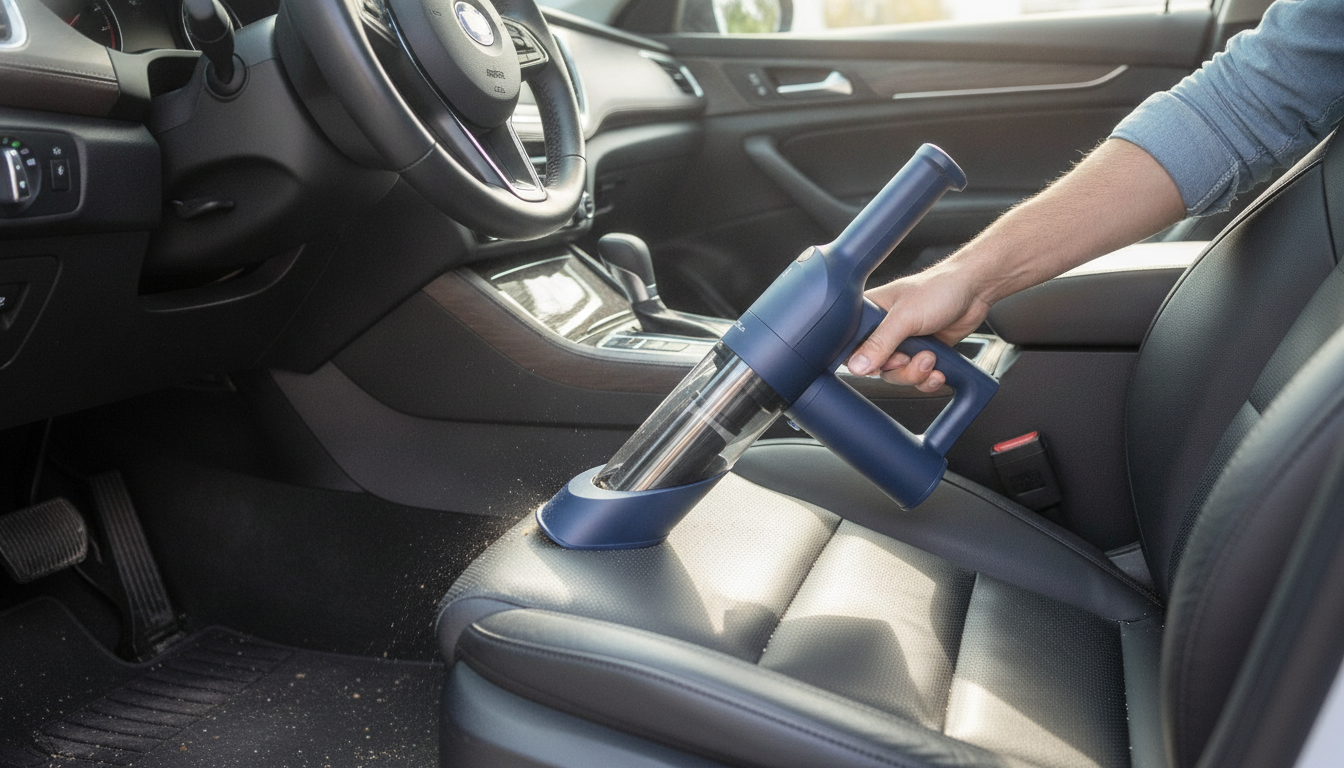
Rechargeable Handheld Vacuum Cleaner with 10000Pa Suction and HEPA Filtration
A compact cordless vacuum can keep car interiors, stairs, and tight corners clean without dragging out a full-size machine. This guide breaks down what 10000Pa suction and a HEPA-style filter mean in real use, which attachments matter most, and how to maintain performance between charges.
What This Handheld Vacuum Is Built For
A rechargeable handheld vacuum is most useful when the mess is small, the space is tight, and grabbing a larger vacuum would take longer than the cleanup itself.
- Quick cleanups in cars: crumbs in seat seams, sand in floor mats, pet hair on upholstery
- Small-space chores: desk drawers, keyboard areas, shelves, window tracks, and corners
- Spot cleaning at home: stairs, sofa crevices, and entryway debris
- Cordless convenience for short sessions where setup time matters more than capacity
Quick Facts and At-a-Glance Details
This style of vacuum is designed for fast touch-ups—especially in vehicles—where maneuverability and targeted suction beat a large dust bin.
- Positioning: compact, rechargeable handheld vacuum for car and home touch-ups
- Key performance callout: up to 10000Pa suction (useful for grit, crumbs, and hair in tight areas)
- Filtration: HEPA-style filter designed to capture fine dust (helps reduce blowback during emptying/cleanup)
- Typical best practice: use short bursts for stubborn debris and empty the bin before it’s packed
| Item | Detail |
|---|---|
| Product | Rechargeable Handheld Vacuum Cleaner, 10000Pa Powerful Cordless Car Vacuum with HEPA Filter |
| Price | $40.67 USD |
| Availability | In stock |
| Primary use cases | Car interior, upholstery, crevices, quick household touch-ups |
| Suction rating | Up to 10000Pa |
| Filtration | HEPA filter (fine-dust capture) |
| Power | Rechargeable cordless design |
How 10000Pa Suction Translates to Everyday Cleaning
Pa (Pascal) ratings are a shorthand for suction strength. In daily use, what matters is how well the vacuum maintains airflow at the nozzle while you work along fabric, seams, and textured mats.
- Loose debris pickup: effective for dry crumbs, dust, and hair when moving slowly over fabric and mats
- Crevice performance: higher suction helps pull debris out of narrow gaps (seat rails, cup holders, console seams)
- Stubborn particles: grit and sand often require multiple passes and a crevice tool; lift the nozzle slightly to prevent sealing against carpet fibers
- Realistic expectations: handheld vacuums favor convenience over large-bin deep cleaning—best used for frequent maintenance rather than occasional full detailing
For best results on car carpet, work in short lanes, overlap passes, and pause briefly at edges where debris collects. When tackling floor mats, a quick shake outside first reduces the load and makes suction feel noticeably stronger.
HEPA Filtration: What It Helps With (and What It Doesn’t)
A HEPA-type filter is designed to capture finer dust than basic mesh screens. That can make a difference when cleaning dry dirt, pollen, and powdery debris that would otherwise puff back into the cabin or room.
- Fine dust handling: a HEPA-type filter can reduce the amount of fine particulate that escapes back into the air during use
- Allergy-conscious cleanup: capturing smaller particles can be helpful when cleaning pollen, dust, and dried dirt in cars
- Maintenance matters: filtration effectiveness depends on keeping the filter clean and properly seated
- Scope: a handheld vacuum supports routine dust control but is not a replacement for whole-room air filtration or medical-grade environments
For a plain-language overview of what “HEPA” means and why it matters for particle capture, see the U.S. Environmental Protection Agency (EPA) guide on HEPA filters.
Where a Cordless Handheld Vacuum Saves the Most Time
The biggest payoff comes from frequent, low-effort use. Instead of waiting until the car is visibly dirty, quick sessions keep debris from migrating into seams and fibers.
- Car detailing between washes: frequent 3–5 minute sessions prevent buildup in carpets and seams
- Post-snack cleanup: fast removal of crumbs before they get ground into upholstery
- Pet hair touch-ups: daily passes on seats and cargo areas reduce lingering hair and dander
- Hard-to-reach places: around child seats, under pedals, and along door pockets without searching for outlets
If you’re cleaning after transporting groceries or sports gear, a quick vacuum pass followed by a simple wipe-down is often enough. The CDC’s general cleaning guidance is a helpful reference for building consistent routines: CDC – Cleaning and Disinfecting Your Facility.
Attachments and Technique for Better Results
Charging, Battery Habits, and Storage
For road trips, pairing fast cleanup with smart storage can keep the cabin under control. If you like having snacks and drinks on hand, a separate organizer can help keep crumbs contained—consider adding a Portable Camping Cooler Bag to reduce spills and loose packaging in the back seat.
Care and Maintenance for Strong Suction Over Time
Shop In-Stock Picks
- Rechargeable Handheld Vacuum Cleaner, 10000Pa Powerful Cordless Car Vacuum with HEPA Filter — compact cordless option for car interiors, stairs, and quick home touch-ups.
- Portable Camping Cooler Bag — a travel-friendly add-on for keeping food and drinks contained, helping reduce mess during commutes and trips.
FAQ
Is 10000Pa suction strong enough for car carpets and pet hair?
Up to 10000Pa is typically strong enough for routine car debris, especially in crevices and on upholstery. For deeply embedded hair in high-pile mats, use slower passes and the right attachment, and expect to make a few extra passes.
How often should the HEPA filter be cleaned or replaced?
Clean the filter after a few uses or any time suction drops. Replace it when it stays discolored, deforms, or no longer restores airflow after cleaning; if it’s washable, make sure it dries completely before reinstalling.
Can a handheld vacuum pick up wet spills?
Only if the vacuum is explicitly rated for wet pickup. If it isn’t labeled wet/dry, avoid liquids to help prevent motor damage and to reduce the risk of odor or mold in the dust cup and filter.
Recommended for you
Was this article helpful?
Yes
No






Leave a comment