-
Shop
- Advanced Technologies
- AI Skills Mastery 2026 Collection
- Apple Accessories
- Arts, Crafts & Hobbies
- Best-Sellers
- Calvin Klein
- Car Accessories
- Christmas Collection
- Dating & Social Skills
- Denim
- 7FOR
- AGOLDE
- Antony Morato
- Armani Exchange
- Boss
- Brunello Cucinelli
- Calvin Klein Jeans
- Costume National
- Desigual
- Diesel
- Dolce & Gabbana
- Dsquared²
- Ermanno Scervino
- Fendi
- Gianni Lupo
- Guess Jeans
- Ichi
- Just Cavalli
- Lee
- Levi's
- Liu Jo
- Morgan De Toi
- Mother Denim
- Only
- Pepe Jeans
- Pinko
- Replay
- Tommy Hilfiger Jeans
- Valentino
- Vero Moda
- Digital Resources
- Car Buying & Ownership
- Cozy Feast Collection
- Emotional Intelligence
- Financial Education
- Home Styling & Organization
- Mindfulness
- Mindset
- Parenting & Child Development
- Pet Lifestyle & Wellness
- Positive Thinking
- Productivity
- Self Confidence
- Sleep Improvement
- Stress Management & Relaxation
- Travel Planning
- Yoga & Fitness
- Yoga & Mind-Body Practices
- Education & Learning
- Family & Parenting
- Fashion
- Accessories
- Alexander McQueen
- Bags
- Bags & Wallets
- Balenciaga
- Belts
- Blazers
- Blouses & Shirts
- Bottega Veneta
- Bottoms
- Brunello Cucinelli
- Burberry
- Chanel
- Chloé
- Dior
- Dolce & Gabbana
- Dresses
- Etro
- Gucci
- Hats & Hair Accessories
- Hoodies & Sweatshirts
- Jacquemus
- Jewelry
- Jil Sander
- Jimmy Choo
- Kiton
- Luggage
- Luggage Bags
- Men's Fashion
- Miu Miu
- Off-White
- Outerwear
- Prada
- Rick Owens
- Saint Laurent
- Skirts
- Socks & Tights
- Sunglasses
- Sweaters & Cardigans
- The Row
- Tom Ford
- Tops & Shirts
- Valentino Garavani
- Versace
- Vivienne Westwood
- Watches
- Fashion Accessories
- Furniture
- Gadgets
- Health & Beauty
- Health & Wellness
- Home & Garden
- Home Supplies
- Kids & Babies
- Lighting
- Patio, Lawn & Garden
- Personal Growth
- Pet Care
- Pet Supplies
- Pets
- Shoes
- Sport & Outdoors
- Super Deals
- Thanksgiving Digital Collection
- AI & Tech-Enhanced Thanksgiving
- Budgeting & Smart Shopping
- Eco-Friendly & Sustainable Thanksgiving
- Family & Kids
- Gift Ideas Guides
- Gratitude & Mindfulness
- History & Meaning
- Hosting & Planning
- Leftovers & Storage
- Pets & Thanksgiving
- Social Media Captions & Ideas
- Thanksgiving DIY Ideas
- Thanksgiving Recipes
- Thanksgiving Products
- Travel
- Wealth
- Wealth Building
- Budgeting & Saving
- Cryptocurrency Investing
- Debt Management
- Entrepreneurship & Business Growth
- Family Finance & Budgeting
- Financial Independence
- Financial Mindset & Psychology
- Financial Planning
- Frugal Living & Expense Hacks
- Goal Setting
- High-Income Skills
- Investing Basics
- Leadership
- Motivation
- Networking & Mentorship
- Passive Income Strategies
- Real Estate Investing
- Side Hustles
- Stock Market Investing
- YouTube Shorts Best-Sellers
Budget-Friendly Healthy Comfort Food & Easy Meal Plans
Heartwarming Meals Made Simple and Smart: Budget-Friendly Comfort Food That Still Feels Good
Cozy meals don’t have to mean expensive groceries, long prep, or a sink full of dishes. With a smart plan, a few flexible ingredients, and simple cooking methods, it’s possible to make satisfying comfort food that supports everyday health goals and stays within a realistic budget—whether cooking for one, feeding a family, or stocking the freezer for busy weeks.
What “healthy comfort food” looks like on a budget
Comfort usually starts with familiar flavors and textures: warm bowls, saucy mains, tender baked dishes, and simple soups. The goal isn’t to “diet” your favorites into something disappointing—it’s to keep the cozy factor while making small upgrades that stretch ingredients and leave you feeling good afterward.
Budget-friendly health upgrades often look like adding beans or lentils, leaning on frozen vegetables, swapping in whole grains, and using leaner proteins when they’re on sale. These changes keep meals hearty while boosting fiber and protein. A few low-cost “flavor builders” can do most of the heavy lifting: onions, garlic, canned tomatoes, broth, herbs, spices, citrus, and vinegar.
For satisfying portions, aim for a simple balance: protein + fiber + healthy fats. Think chili with beans (fiber and protein), a small sprinkle of cheese (fat and flavor), and brown rice (extra staying power). For general balance inspiration, the USDA MyPlate guidelines offer an easy visual framework.
Smart meal planning that saves money (and decision fatigue)
A plan doesn’t need to be complicated to be effective. One of the fastest ways to reduce overspending is to reduce last-minute decisions—especially on busy days when takeout looks tempting.
- Pick a weekly theme and repeatable structure (for example: 2 soups/stews, 2 sheet-pan meals, 1 pasta or grain bowl, 1 breakfast-for-dinner).
- Plan around overlapping ingredients to reduce waste (one bag of spinach becomes pasta add-in, soup greens, and egg muffins).
- Batch-cook one “base” each week: shredded chicken, lentils, brown rice, or roasted vegetables.
- Build a short shopping list: 10–15 core items plus 3 “fun” items (like a favorite sauce, tortillas, or a special fruit) to keep meals enjoyable.
- Use a simple rotation: cook once, eat twice; freeze one portion for a future low-energy day.
If you’re working toward weight or health goals, consistent meals can make it easier to stay on track without feeling restricted. The CDC healthy eating resources highlight practical habits that pair well with a repeatable weekly rhythm.
Budget pantry and freezer staples that make cozy meals easy
Comfort food becomes “simple and smart” when your kitchen has a reliable backbone. Stocking a few staples means you can make real meals even when fresh groceries are low.
Pantry staples
Canned beans, lentils, canned tomatoes, tuna or salmon, broth or stock, oats, rice, pasta, peanut butter, olive oil, and a basic spice collection.
Freezer staples
Mixed vegetables, spinach, berries, frozen onions and peppers, chicken thighs or ground turkey, and quick add-ins like dumplings or gnocchi (great for turning soup into a full meal).
Fridge staples
Eggs, yogurt, carrots, cabbage, celery, and one multipurpose cheese (cheddar or mozzarella). These play nicely across breakfast, lunch, and dinner.
Flexible ingredients matter most. Canned tomatoes can become chili, vegetable soup, shakshuka-style eggs, or a quick pasta sauce—one item, multiple cozy dinners.
Comfort food ideas that stretch ingredients without feeling “cheap”
Stretching food doesn’t mean shrinking flavor. The trick is building a meal around low-cost staples and finishing it with a bright, satisfying touch.
For leftover safety and smart storage (especially soups, rice, and cooked meats), follow the basics from USDA Food Safety (FSIS).
A simple weekly plan (mix-and-match) and cost-friendly swaps
Mix-and-Match Cozy Meals (Budget-Friendly Framework)
| Meal Type | Base | Add-Ins | Flavor Boost | Leftover Remix |
|---|---|---|---|---|
| Soup/Stew | Lentils or beans + broth | Frozen veg, carrots, cabbage | Garlic, smoked paprika, lemon | Thicken into chili; serve over rice |
| Sheet-Pan | Chicken thighs or tofu | Potatoes, broccoli, onions | Herb blend, mustard, vinegar | Wraps, grain bowls, salads |
| Skillet Comfort | Pasta or rice | Eggs, spinach, peas | Tomato paste, soy sauce, cheese | Stuffed peppers; fried-rice style bowl |
| Baked Cozy | Potatoes or sweet potatoes | Beans, leftover meat, veg | Salsa, yogurt, hot sauce | Breakfast hash; loaded soup topper |
Making it even easier with a printable digital guide
Product picks to support budget-friendly comfort cooking
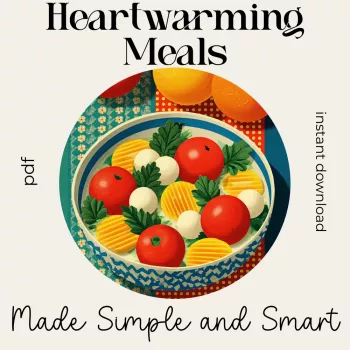
- Heartwarming Meals Made Simple and Smart – Printable Digital Download ($8.99): a practical, repeatable system for planning cozy meals with less waste and less stress.
- Portable Camping Cooler Bag: useful for packed lunches, meal prep, and keeping leftovers chilled when you’re on the go.
FAQ
What are the cheapest healthy comfort foods to make at home?
Soups, stews, chili, baked potatoes, bean-based pasta dishes, and rice or oat bowls are usually the most affordable. Build around beans or lentils, frozen vegetables, eggs, and sale-priced chicken thighs to keep costs low while staying filling.
How can meal planning cut grocery costs without feeling restrictive?
Use a mix-and-match framework, plan around overlapping ingredients, and rotate 2–3 anchor meals that create leftovers for lunches. Keeping versatile staples on hand makes it easy to swap based on sales without changing your whole plan.
Is a printable meal planning guide worth it if cooking time is limited?
Yes, because templates reduce decision fatigue and speed up shopping lists, which saves time during the week. A digital/print format also makes it easy to reuse the same planning pages and track leftovers so food doesn’t go to waste.
Recommended for you
Was this article helpful?
Yes
No








Leave a comment