-
Shop
- Advanced Technologies
- AI Skills Mastery 2026 Collection
- Apple Accessories
- Arts, Crafts & Hobbies
- Best-Sellers
- Calvin Klein
- Car Accessories
- Christmas Collection
- Dating & Social Skills
- Denim
- 7FOR
- AGOLDE
- Antony Morato
- Armani Exchange
- Boss
- Brunello Cucinelli
- Calvin Klein Jeans
- Costume National
- Desigual
- Diesel
- Dolce & Gabbana
- Dsquared²
- Ermanno Scervino
- Fendi
- Gianni Lupo
- Guess Jeans
- Ichi
- Just Cavalli
- Lee
- Levi's
- Liu Jo
- Morgan De Toi
- Mother Denim
- Only
- Pepe Jeans
- Pinko
- Replay
- Tommy Hilfiger Jeans
- Valentino
- Vero Moda
- Digital Resources
- Car Buying & Ownership
- Cozy Feast Collection
- Emotional Intelligence
- Financial Education
- Home Styling & Organization
- Mindfulness
- Mindset
- Parenting & Child Development
- Pet Lifestyle & Wellness
- Positive Thinking
- Productivity
- Self Confidence
- Sleep Improvement
- Stress Management & Relaxation
- Travel Planning
- Yoga & Fitness
- Yoga & Mind-Body Practices
- Education & Learning
- Family & Parenting
- Fashion
- Accessories
- Alexander McQueen
- Bags
- Bags & Wallets
- Balenciaga
- Belts
- Blazers
- Blouses & Shirts
- Bottega Veneta
- Bottoms
- Brunello Cucinelli
- Burberry
- Chanel
- Chloé
- Dior
- Dolce & Gabbana
- Dresses
- Etro
- Gucci
- Hats & Hair Accessories
- Hoodies & Sweatshirts
- Jacquemus
- Jewelry
- Jil Sander
- Jimmy Choo
- Kiton
- Luggage
- Luggage Bags
- Men's Fashion
- Miu Miu
- Off-White
- Outerwear
- Prada
- Rick Owens
- Saint Laurent
- Skirts
- Socks & Tights
- Sunglasses
- Sweaters & Cardigans
- The Row
- Tom Ford
- Tops & Shirts
- Valentino Garavani
- Versace
- Vivienne Westwood
- Watches
- Fashion Accessories
- Furniture
- Gadgets
- Health & Beauty
- Health & Wellness
- Home & Garden
- Home Supplies
- Kids & Babies
- Lighting
- Patio, Lawn & Garden
- Personal Growth
- Pet Care
- Pet Supplies
- Pets
- Shoes
- Sport & Outdoors
- Super Deals
- Thanksgiving Digital Collection
- AI & Tech-Enhanced Thanksgiving
- Budgeting & Smart Shopping
- Eco-Friendly & Sustainable Thanksgiving
- Family & Kids
- Gift Ideas Guides
- Gratitude & Mindfulness
- History & Meaning
- Hosting & Planning
- Leftovers & Storage
- Pets & Thanksgiving
- Social Media Captions & Ideas
- Thanksgiving DIY Ideas
- Thanksgiving Recipes
- Thanksgiving Products
- Travel
- Wealth
- Wealth Building
- Budgeting & Saving
- Cryptocurrency Investing
- Debt Management
- Entrepreneurship & Business Growth
- Family Finance & Budgeting
- Financial Independence
- Financial Mindset & Psychology
- Financial Planning
- Frugal Living & Expense Hacks
- Goal Setting
- High-Income Skills
- Investing Basics
- Leadership
- Motivation
- Networking & Mentorship
- Passive Income Strategies
- Real Estate Investing
- Side Hustles
- Stock Market Investing
- YouTube Shorts Best-Sellers
1/10 RC Crawler Kit: Two-Speed Gearbox, LED Lights Guide
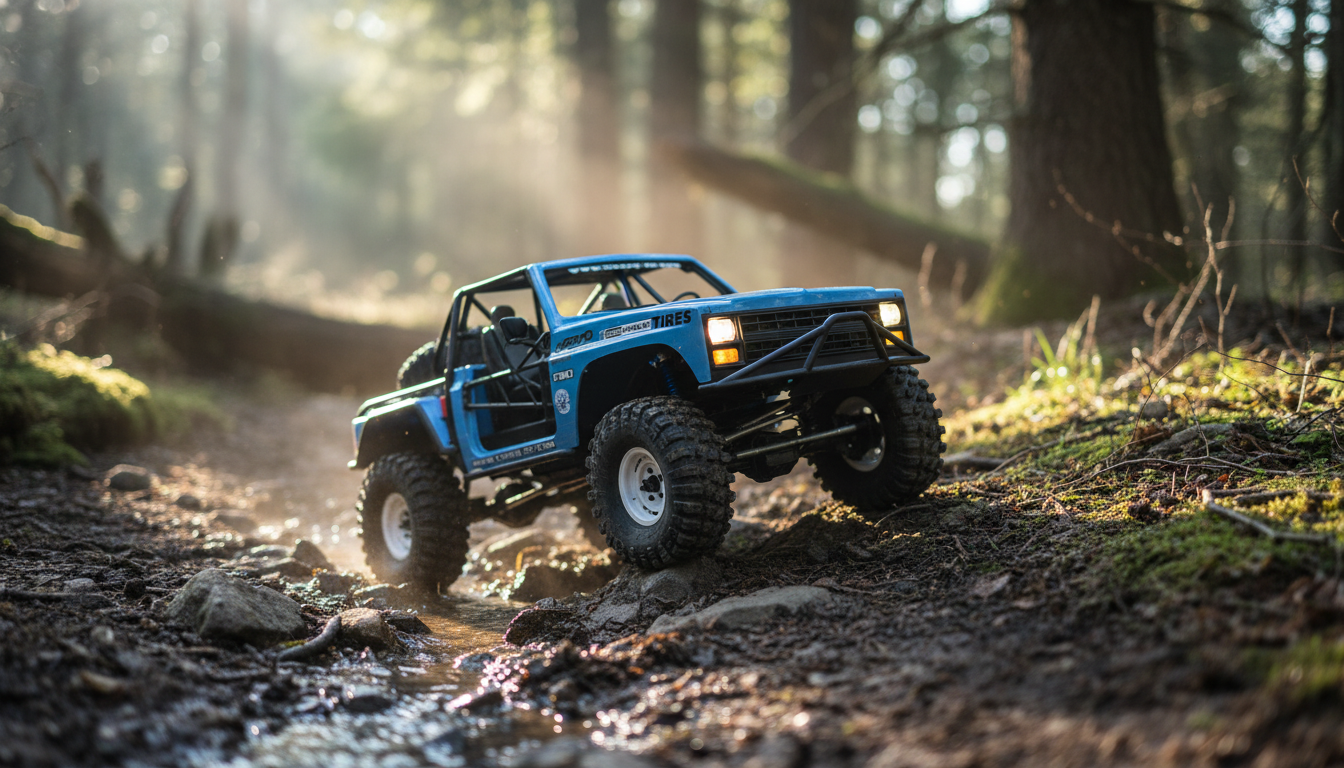
1/10 Scale Off-Road RC Crawler Car Kit with Two-Speed Gearbox and LED Lights
A 1/10 scale crawler kit with a two-speed gearbox blends slow, controlled torque for technical lines with a faster gear for trail sections and repositioning. Add LED lighting and the result is a rig that stays usable when the sun drops or the terrain gets visually busy. This guide breaks down what to expect from a two-speed crawler kit, how it behaves on rocks and trails, what to look for during assembly, and how to set it up for dependable crawling performance and scale realism.
What makes this crawler kit different
This platform focuses on the parts that matter most when you’re trying to balance realistic crawling with practical trail time.
- 1/10 scale footprint that fits common backyard obstacles, trail features, and scale accessories while staying compatible with many common upgrades.
- Two-speed gearbox that lets you run a dedicated crawl gear for precision and a higher gear for trail cruising or quick repositioning.
- LED lights that improve visibility and add a more convincing scale look on darker trails or shaded terrain.
- Kit format so you can choose tires, electronics, gearing, and setup choices instead of being locked into a single factory configuration.
If you’re shopping specifically for a build-and-tune experience, the 1/10 Scale Off-Road RC Crawler Car Kit with Two-Speed Gearbox and LED Lights is designed around that hands-on approach.
Two-speed gearbox: when to use low vs high
A two-speed transmission is less about “going fast” and more about using the right tool for the terrain. Low gear is where the truck feels planted and deliberate; high gear is where it becomes easier to cover ground between obstacles.
- Low gear: steep climbs, rock gardens, tight gates, and careful throttle modulation.
- High gear: flatter trail stretches, moving between features, and quick recovery when you lose a line.
- Best shifting habit: ease off the throttle and shift when the drivetrain isn’t bound up.
- Build quality matters: two-speed setups add moving parts, so clean assembly and correct gear mesh/clearances are especially important.
Low gear vs high gear in real crawling
| Situation | Low gear benefit | High gear benefit | Setup tip |
|---|---|---|---|
| Steep climb | Maximum torque and control | Usually too fast; can break traction | Increase drag brake and use a smooth throttle curve |
| Rock garden | Precise wheel placement | Harder to modulate | Check steering endpoints to avoid binding |
| Trail cruising | Can feel slow and noisy at higher RPM | Comfortable pace for longer runs | Watch motor/ESC temps during extended high-gear driving |
| Tight turns on uneven ground | Reduced wheelspin helps hold a line | Can push wide and lose the front | Add a little front toe-out if adjustable and reduce steering rate |
LED lights: practical setup for night runs
Lights are more than a style upgrade on a crawler—good lighting makes it easier to read shadows, spot tire placement, and avoid hidden holes in the trail.
- Aim headlights slightly downward so the beam fills the immediate terrain without bouncing glare back off reflective surfaces.
- Secure wiring away from moving parts like driveshafts and suspension travel. Small zip ties or adhesive clips help prevent snagging.
- Prefer steady beams while driving; flashing patterns are best kept for display or parked photos.
- Consider future depth cues like a light bar up front or rear lights for better reversing and distance judgment.
Build and assembly checkpoints that affect performance
Small build details often decide whether a crawler feels smooth and confident or jerky and inconsistent. During assembly, prioritize these checks before the first trail run.
For general RC operating safety and best practices, the Academy of Model Aeronautics Safety Handbook is a solid reference for responsible running and handling.
Electronics and tuning suggestions for a two-speed crawler
Battery handling is a key part of reliable running—especially with LiPo packs. Follow established guidance like Horizon Hobby’s LiPo battery safety and handling recommendations for charging, storage, and inspection.
Care and maintenance for trail reliability
Product snapshot
- Model: 1/10 Scale Off-Road RC Crawler Car Kit with Two-Speed Gearbox and LED Lights
- Best fit: hobbyists who want crawl control plus the flexibility of a faster trail gear
- Standout features: two-speed transmission and integrated lighting
- Availability: in stock
Also in stock
- Smart AI Interactive Emotional Robot Companion for Kids and Adults
- Mini HD 720P WiFi Camera
- The Row Moveo Lace-Up Sneakers
FAQ
Does a two-speed gearbox help on rocks, or is it mainly for trail driving?
It helps on rocks because low gear increases torque and makes throttle inputs easier to control for precise tire placement. High gear is most useful on trail sections and for repositioning, and shifting is smoothest when you ease off the throttle first.
Can the LED lights be left on for the whole run?
Yes—LEDs typically draw a small amount of power, but they will reduce runtime slightly depending on brightness and how they’re powered. The bigger priority is keeping the wiring secured away from suspension movement and rotating drivetrain parts.
What should be checked first if the crawler won’t shift cleanly between gears?
Start by checking the shift servo endpoints and linkage alignment so the shift fork reaches both positions without overtravel. If it still hesitates, avoid shifting under load and inspect for drivetrain binding or an overly tight gear mesh.
Recommended for you


Was this article helpful?
Yes
No









Leave a comment