-
Shop
- Advanced Technologies
- AI Skills Mastery 2026 Collection
- Apple Accessories
- Arts, Crafts & Hobbies
- Best-Sellers
- Calvin Klein
- Car Accessories
- Christmas Collection
- Dating & Social Skills
- Denim
- 7FOR
- AGOLDE
- Antony Morato
- Armani Exchange
- Boss
- Brunello Cucinelli
- Calvin Klein Jeans
- Costume National
- Desigual
- Diesel
- Dolce & Gabbana
- Dsquared²
- Ermanno Scervino
- Fendi
- Gianni Lupo
- Guess Jeans
- Ichi
- Just Cavalli
- Lee
- Levi's
- Liu Jo
- Morgan De Toi
- Mother Denim
- Only
- Pepe Jeans
- Pinko
- Replay
- Tommy Hilfiger Jeans
- Valentino
- Vero Moda
- Digital Resources
- Car Buying & Ownership
- Cozy Feast Collection
- Emotional Intelligence
- Financial Education
- Home Styling & Organization
- Mindfulness
- Mindset
- Parenting & Child Development
- Pet Lifestyle & Wellness
- Positive Thinking
- Productivity
- Self Confidence
- Sleep Improvement
- Stress Management & Relaxation
- Travel Planning
- Yoga & Fitness
- Yoga & Mind-Body Practices
- Education & Learning
- Family & Parenting
- Fashion
- Accessories
- Alexander McQueen
- Bags
- Bags & Wallets
- Balenciaga
- Belts
- Blazers
- Blouses & Shirts
- Bottega Veneta
- Bottoms
- Brunello Cucinelli
- Burberry
- Chanel
- Chloé
- Dior
- Dolce & Gabbana
- Dresses
- Etro
- Gucci
- Hats & Hair Accessories
- Hoodies & Sweatshirts
- Jacquemus
- Jewelry
- Jil Sander
- Jimmy Choo
- Kiton
- Luggage
- Luggage Bags
- Men's Fashion
- Miu Miu
- Off-White
- Outerwear
- Prada
- Rick Owens
- Saint Laurent
- Skirts
- Socks & Tights
- Sunglasses
- Sweaters & Cardigans
- The Row
- Tom Ford
- Tops & Shirts
- Valentino Garavani
- Versace
- Vivienne Westwood
- Watches
- Fashion Accessories
- Furniture
- Gadgets
- Health & Beauty
- Health & Wellness
- Home & Garden
- Home Supplies
- Kids & Babies
- Lighting
- Patio, Lawn & Garden
- Personal Growth
- Pet Care
- Pet Supplies
- Pets
- Shoes
- Sport & Outdoors
- Super Deals
- Thanksgiving Digital Collection
- AI & Tech-Enhanced Thanksgiving
- Budgeting & Smart Shopping
- Eco-Friendly & Sustainable Thanksgiving
- Family & Kids
- Gift Ideas Guides
- Gratitude & Mindfulness
- History & Meaning
- Hosting & Planning
- Leftovers & Storage
- Pets & Thanksgiving
- Social Media Captions & Ideas
- Thanksgiving DIY Ideas
- Thanksgiving Recipes
- Thanksgiving Products
- Travel
- Wealth
- Wealth Building
- Budgeting & Saving
- Cryptocurrency Investing
- Debt Management
- Entrepreneurship & Business Growth
- Family Finance & Budgeting
- Financial Independence
- Financial Mindset & Psychology
- Financial Planning
- Frugal Living & Expense Hacks
- Goal Setting
- High-Income Skills
- Investing Basics
- Leadership
- Motivation
- Networking & Mentorship
- Passive Income Strategies
- Real Estate Investing
- Side Hustles
- Stock Market Investing
- YouTube Shorts Best-Sellers
3-Ton Triple Bag Air Jack: Fast Lift, Safer Setup
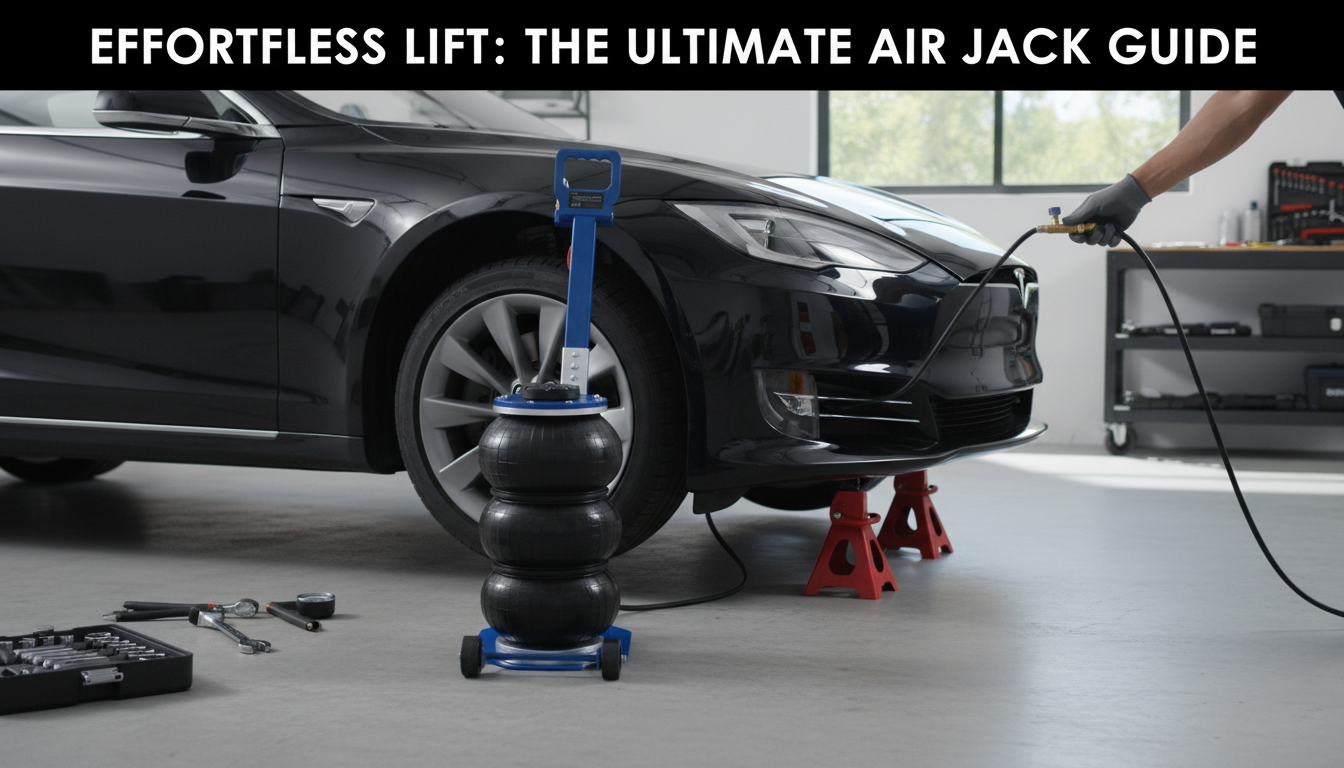
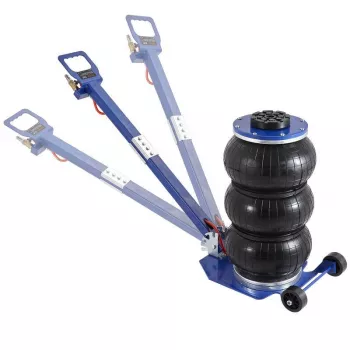
3-Ton Triple Bag Air Jack with Fast Lift & Adjustable Handle
A triple bag air jack is built for quick, stable lifting using compressed air—handy for roadside tire changes, garage work, and situations where a traditional scissor jack can feel slow or unstable. A 3-ton triple bag design uses stacked air chambers to raise a vehicle with minimal effort, while a fast-lift system and adjustable handle help speed up setup and improve control. Below is a practical guide to how it works, what to confirm before lifting, and how to use it safely and repeatably.
What a Triple Bag Air Jack Does (and When It Helps Most)
Instead of cranking or pumping, a triple bag air jack inflates stacked air bags using compressed air. As the bags expand, the jack rises and lifts the vehicle with far less physical strain than many manual jacks. This makes it especially useful when lifting repeatedly—such as rotating tires, swapping wheels, or moving between corners for quick inspections.
It shines when speed matters: roadside tire changes, detailing access around wheels, and light underbody tasks where quick lift-and-support is the goal. Like any jack, it performs best on reasonably level, solid ground. Gravel, soft soil, and uneven shoulders can increase sinking or shifting risk, so extra support (like a thick board) and careful stabilization become essential.
Fast Lift + Adjustable Handle: Practical Benefits
A fast-lift design reduces the time spent beside traffic during a roadside repair and can speed up multi-wheel jobs in the garage. Less time “in the danger zone” matters when you’re on a shoulder or working in tight spaces.
An adjustable handle helps with leverage and positioning, letting you line up the jack under recommended lift points without awkward twisting or overreaching. Handle adjustability can also help keep hands farther from pinch points during inflation and deflation. Just as important as quick rise is controlled release: smooth lowering helps protect suspension components and reduces the chance of a sudden drop when unloading the jack.
Key Parts and How They Work Together
Triple air bags
The stacked bag design aims to provide usable lift height while keeping a broad footprint. Compared with a single-bag layout, the wider stance can feel more stable on imperfect pavement—provided the base is fully supported and the bags stay vertical (not folded or twisted).
Air inlet/valve assembly
The air connection is the heart of predictable lifting. A secure coupling and leak-free valve assembly help the jack rise smoothly and hold height consistently. If you hear hissing, stop and fix the connection before continuing.
Base plate/footprint
The base spreads load to reduce sinking, especially on rough asphalt. On gravel or softer surfaces, placing a thick pad or board under the base can dramatically improve stability.
Top contact pad
Specifications and Quick Comparison Points
3-Ton Triple Bag Air Jack: Checklist of What to Confirm Before Use
| Item to confirm | Why it matters | What to look for |
|---|---|---|
| Vehicle lift points | Prevents slipping and damage | Owner’s manual lift points; flat, reinforced contact area |
| Ground condition | Stability and sinking risk | Hard, level surface; use a support board on gravel/soft ground |
| Air supply connection | Controls speed and reliability | Secure coupling; no audible leaks; hose routed away from moving parts |
| Clearance under vehicle | Ensures the jack fits before lifting | Sufficient space to position the bags and top pad without forcing |
| Support equipment | Reduces risk during work | Jack stands/wheel chocks; never rely solely on an inflated jack |
Setup and Operation (Safe, Repeatable Routine)
Preparation: Park on a level surface, set the parking brake, and chock the wheels opposite the lift point. If you’re roadside, follow common traffic-safety best practices and keep occupants away from the work area (AAA offers general roadside safety tips at AAA.com).
Support: Once at working height, place rated jack stands at appropriate support points before removing wheels or working near the lifted area. Do not rely on the air jack as the only support. For broader workplace safety guidance, see OSHA.
Lowering: Release air slowly and keep hands and feet clear. Remove stands only when you’re ready to lower fully and safely, and confirm the area is clear of bystanders. For tire-related safety info, NHTSA’s tire safety resources are a helpful reference.
Vehicle Fit and Use Cases
Safety Practices That Prevent Most Incidents
Care, Storage, and Longevity
Common Problems and Quick Fixes
Shop Options (In Stock)
- 3-Ton Triple Bag Air Jack with Fast Lift & Adjustable Handle — a quick-lift option for tire changes and light service tasks when used with proper jack stands.
- Mini HD 720P WiFi Camera — useful for monitoring a garage bay or keeping an eye on a driveway workspace while you’re busy under the hood.
FAQ
Can a 3-ton air jack lift an entire vehicle?
A 3-ton rating indicates maximum capacity, but typical safe practice is lifting one end or one corner at a time using the correct lift points. Even if the jack can raise the load, always stabilize the vehicle with rated jack stands before working.
What air source is needed to use a triple bag air jack?
Most triple bag air jacks are designed to work with common shop air compressors, as long as the compressor provides adequate pressure and airflow for steady inflation. A secure, leak-free coupler connection helps the jack lift consistently and reach height faster.
Is it safe to work under a vehicle supported only by an air jack?
No. An air jack is for lifting, not for supporting a vehicle while you’re underneath it—always use rated jack stands and wheel chocks on level ground, and lower in a controlled way when finished.
Recommended for you


Was this article helpful?
Yes
No







Leave a comment