-
Shop
- Advanced Technologies
- AI Skills Mastery 2026 Collection
- Apple Accessories
- Arts, Crafts & Hobbies
- Best-Sellers
- Calvin Klein
- Car Accessories
- Christmas Collection
- Dating & Social Skills
- Denim
- 7FOR
- AGOLDE
- Antony Morato
- Armani Exchange
- Boss
- Brunello Cucinelli
- Calvin Klein Jeans
- Costume National
- Desigual
- Diesel
- Dolce & Gabbana
- Dsquared²
- Ermanno Scervino
- Fendi
- Gianni Lupo
- Guess Jeans
- Ichi
- Just Cavalli
- Lee
- Levi's
- Liu Jo
- Morgan De Toi
- Mother Denim
- Only
- Pepe Jeans
- Pinko
- Replay
- Tommy Hilfiger Jeans
- Valentino
- Vero Moda
- Digital Resources
- Car Buying & Ownership
- Cozy Feast Collection
- Emotional Intelligence
- Financial Education
- Home Styling & Organization
- Mindfulness
- Mindset
- Parenting & Child Development
- Pet Lifestyle & Wellness
- Positive Thinking
- Productivity
- Self Confidence
- Sleep Improvement
- Stress Management & Relaxation
- Travel Planning
- Yoga & Fitness
- Yoga & Mind-Body Practices
- Education & Learning
- Family & Parenting
- Fashion
- Accessories
- Alexander McQueen
- Bags
- Bags & Wallets
- Balenciaga
- Belts
- Blazers
- Blouses & Shirts
- Bottega Veneta
- Bottoms
- Brunello Cucinelli
- Burberry
- Chanel
- Chloé
- Dior
- Dolce & Gabbana
- Dresses
- Etro
- Gucci
- Hats & Hair Accessories
- Hoodies & Sweatshirts
- Jacquemus
- Jewelry
- Jil Sander
- Jimmy Choo
- Kiton
- Luggage
- Luggage Bags
- Men's Fashion
- Miu Miu
- Off-White
- Outerwear
- Prada
- Rick Owens
- Saint Laurent
- Skirts
- Socks & Tights
- Sunglasses
- Sweaters & Cardigans
- The Row
- Tom Ford
- Tops & Shirts
- Valentino Garavani
- Versace
- Vivienne Westwood
- Watches
- Fashion Accessories
- Furniture
- Gadgets
- Health & Beauty
- Health & Wellness
- Home & Garden
- Home Supplies
- Kids & Babies
- Lighting
- Patio, Lawn & Garden
- Personal Growth
- Pet Care
- Pet Supplies
- Pets
- Shoes
- Sport & Outdoors
- Super Deals
- Thanksgiving Digital Collection
- AI & Tech-Enhanced Thanksgiving
- Budgeting & Smart Shopping
- Eco-Friendly & Sustainable Thanksgiving
- Family & Kids
- Gift Ideas Guides
- Gratitude & Mindfulness
- History & Meaning
- Hosting & Planning
- Leftovers & Storage
- Pets & Thanksgiving
- Social Media Captions & Ideas
- Thanksgiving DIY Ideas
- Thanksgiving Recipes
- Thanksgiving Products
- Travel
- Wealth
- Wealth Building
- Budgeting & Saving
- Cryptocurrency Investing
- Debt Management
- Entrepreneurship & Business Growth
- Family Finance & Budgeting
- Financial Independence
- Financial Mindset & Psychology
- Financial Planning
- Frugal Living & Expense Hacks
- Goal Setting
- High-Income Skills
- Investing Basics
- Leadership
- Motivation
- Networking & Mentorship
- Passive Income Strategies
- Real Estate Investing
- Side Hustles
- Stock Market Investing
- YouTube Shorts Best-Sellers
App-Controlled True HEPA Air Purifier for Cleaner Indoor Air
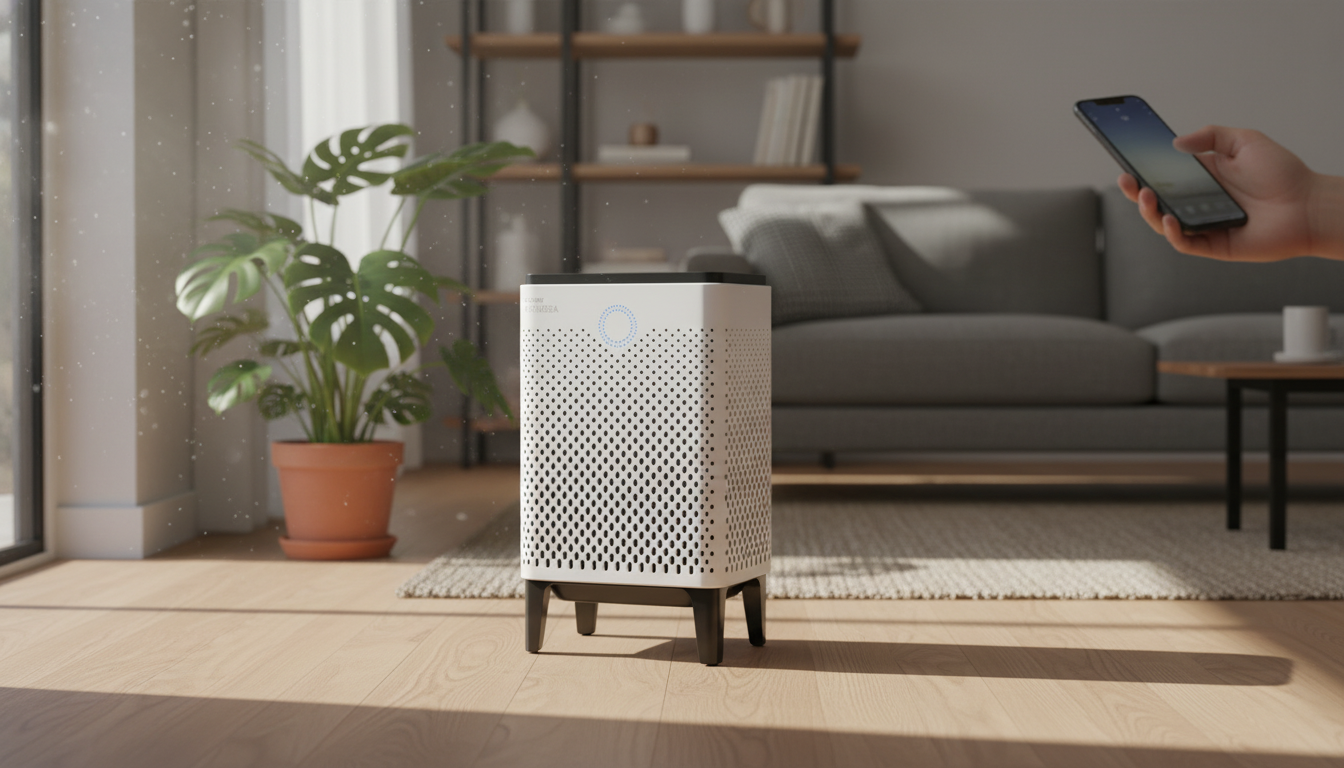
Smart App-Enabled True HEPA Air Purifier: Cleaner Air With Control From Anywhere
A smart air purifier combines high-efficiency particle filtration with app-based control, making it easier to manage indoor air quality room by room and hour by hour. Instead of walking up to a unit to change settings, schedules and routines can keep air moving consistently—especially helpful for bedrooms, homes with pets, and smoke-prone seasons. Below is a practical breakdown of what true HEPA filtration can do, how app features improve daily use, and how to set up and maintain a purifier for dependable performance.
What a True HEPA Air Purifier Does (and What It Doesn’t)
A true HEPA air purifier works primarily through mechanical filtration, capturing airborne particles as air is pulled through a dense filter matrix. Over time, steady circulation can noticeably reduce common irritants like dust, pollen, pet dander, and smoke-related particulates—especially in enclosed rooms where the unit can repeatedly cycle the same air.
True HEPA performance still depends on factors outside the filter itself: airflow, room size coverage, and filter condition. In large rooms or open-plan spaces, the change won’t feel “instant,” because the purifier needs enough time (and enough air changes per hour) to bring particle levels down.
It’s equally important to know what a purifier won’t do. Most particle-focused models don’t remove gases and odors effectively unless they also include a substantial activated carbon or gas-phase media stage. And while purifiers may reduce airborne mold spores, they won’t fix the moisture problem that allows mold to grow—humidity control requires ventilation and/or a dehumidifier.
For the best real-world results, think in layers: source control (reduce smoke, manage dust), ventilation (when outdoor air is clean), and filtration (run the purifier steadily). The U.S. EPA explains this layered approach well in its guidance on air cleaners in the home: https://www.epa.gov/indoor-air-quality-iaq/guide-air-cleaners-home.
Common Indoor Air Issues and the Right Tool
| Issue | What Helps Most | Helpful Notes |
|---|---|---|
| Dust and lint | True HEPA filtration | Run on a steady setting; vacuuming and sealing gaps reduce load on the filter. |
| Pollen and seasonal allergens | True HEPA filtration | Keep windows closed during high pollen times; place purifier near the sleeping area. |
| Smoke particles (wildfire, cooking) | True HEPA + strong airflow | Avoid ozone-generating devices; run continuously during events. |
| Odors and VOCs | Activated carbon / gas-phase media | Filter thickness and quality matter; replace on schedule. |
| High humidity / musty feel | Dehumidifier + ventilation | Purifiers can reduce airborne mold spores but won’t fix moisture sources. |
Why App Control Changes Day-to-Day Use
App-enabled control turns an air purifier from a “set it and forget it” appliance into a tool that can match real household rhythms. Remote access lets settings be adjusted from work, from bed, or before arriving home—useful when cooking odors linger, guests are coming over, or smoke conditions change suddenly.
For smoke events, the CDC recommends steps to reduce indoor smoke exposure, including keeping windows and doors closed and improving indoor air filtration: https://www.cdc.gov/disasters/wildfires/smoke.html.
Key Features to Evaluate Before Buying
Because the most effective approach is often continuous operation, energy use and long-term filter costs deserve attention. Also consider app reliability—stable connectivity and clear controls are more valuable than a long list of rarely used features. For performance comparisons, AHAM’s CADR resources can help explain how airflow and filtration translate into cleaning rate: https://www.aham.org/.
Setup and Placement for Better Air Cleaning
Maintenance That Keeps Performance Consistent
Making the Most of Smart Routines for Sleep, Pets, and Cooking
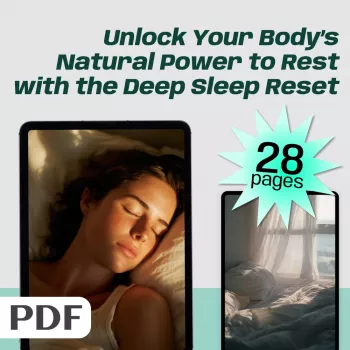
Smart routines work best when they mirror real habits. For sleep, run a higher setting 30–60 minutes before bedtime to knock down airborne particles, then shift to a quiet mode overnight. Pairing this with a consistent wind-down routine can make bedtime feel more predictable; the Unlock Your Body’s Natural Power to Rest with the Deep Sleep Reset | eBook to Increase Deep Sleep Naturally | Sleep Hygiene Guide & Checklist is a simple way to add structure without relying on nightly guesswork.
Product Snapshot: Smart App-Enabled True HEPA Air Purifier
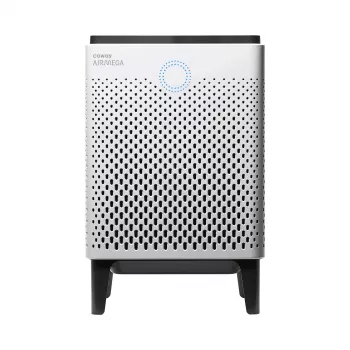
The Smart App-Enabled True HEPA Air Purifier is built to combine true HEPA particle filtration with app-based control so daily operation stays consistent without constant manual adjustments. It’s a practical choice for setting schedules, checking status at a glance, and staying ahead of filter maintenance—especially in bedrooms, living spaces, or any room where you want dependable, repeatable air-cleaning routines.
At-a-Glance Details
| Item | Details |
|---|---|
| Product | Smart App-Enabled True HEPA Air Purifier |
| Price | 687.01 USD |
| Availability | In stock |
| Product page | View product |
FAQ
How often should a true HEPA filter be replaced?
A practical range is often every 6–12 months, but replacement timing depends on runtime, room conditions, and whether you have pets, smoke exposure, or heavy dust. Follow the purifier’s app/indicator first, and replace sooner if airflow drops or the unit is used heavily year-round.
Can an air purifier help with smoke in the house?
Yes—true HEPA filtration can help reduce smoke particles when paired with strong airflow and continuous operation. Smoke odors and gases may require a robust activated carbon stage, and it’s best to keep windows and doors closed during smoke events.
Where should an air purifier be placed for allergies at night?
Place it in the bedroom near the sleeping area with clear intake and exhaust space, avoiding tight corners or being pressed against the bed or wall. Run a higher setting before bedtime, then switch to a quieter mode overnight for steady reduction while you sleep.
Recommended for you

Was this article helpful?
Yes
No






Leave a comment